Trane Furnace Blower Wheel and Heat Exchanger Cleaning in Portland
Most furnaces in Portland run for years without anyone looking inside them. No filter changes, no inspections, nothing. That works fine - until it doesn't. The most common complaint we hear is that the system just feels weaker than it used to. Rooms that used to heat up fast now take forever. That's usually not a failing part. It's buildup.
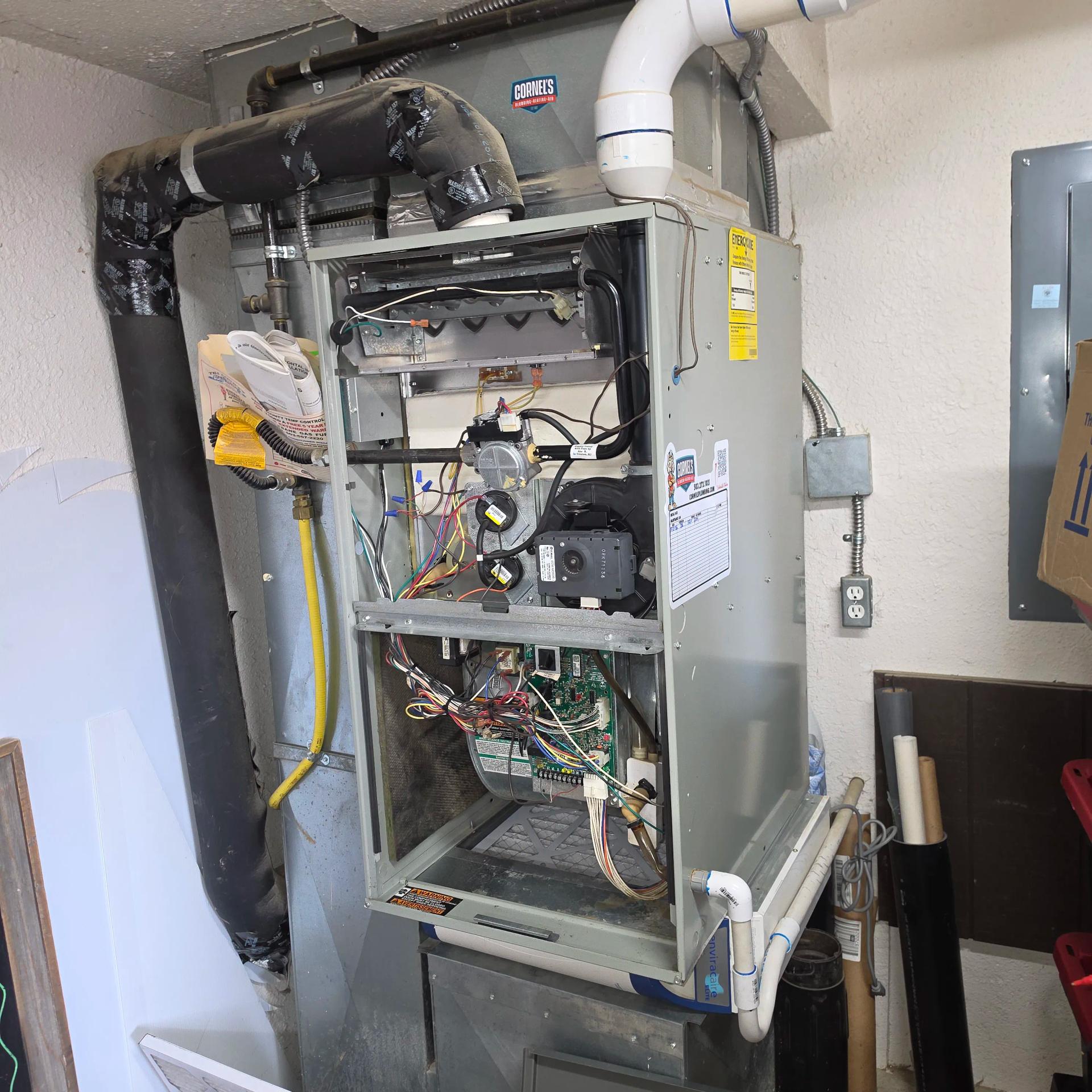
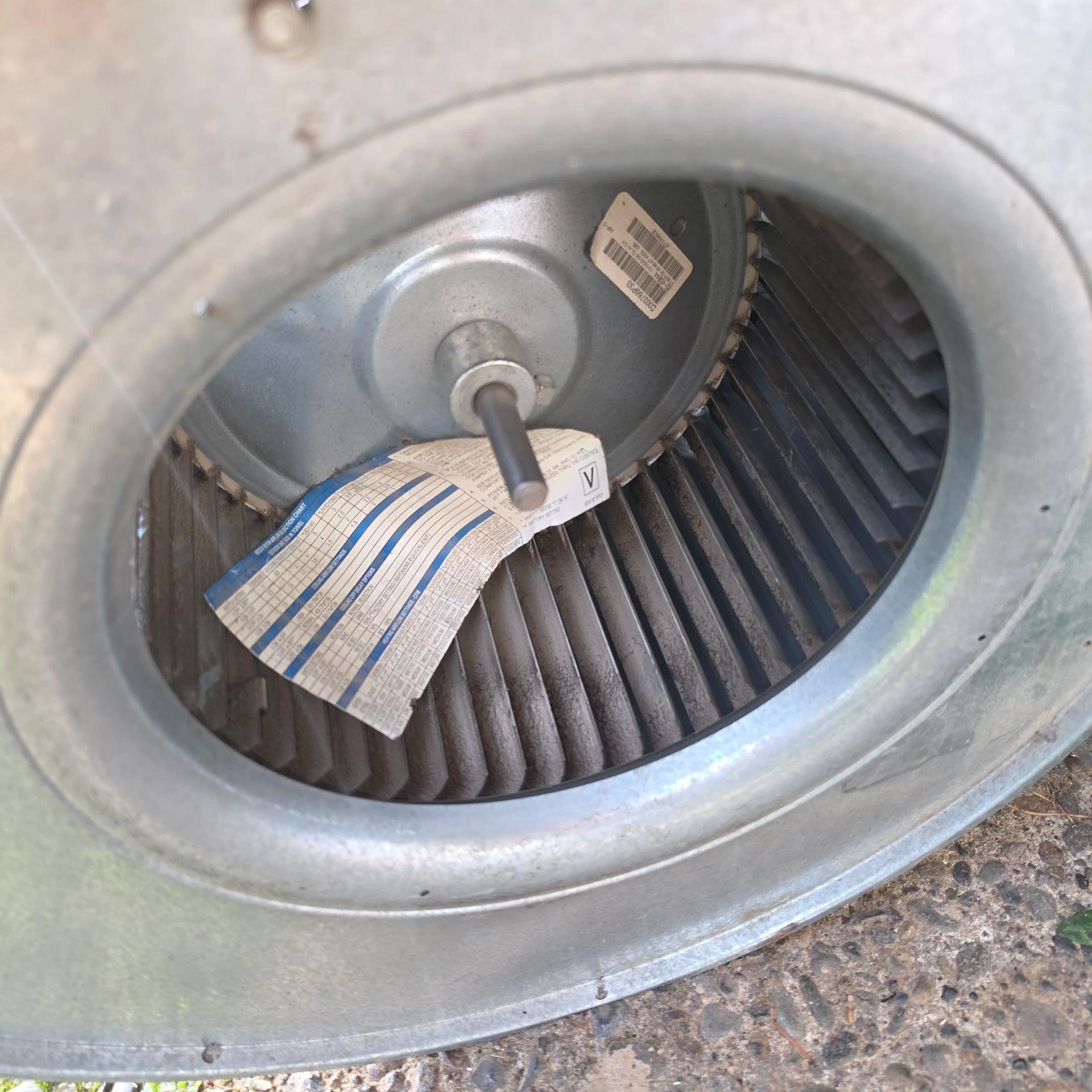
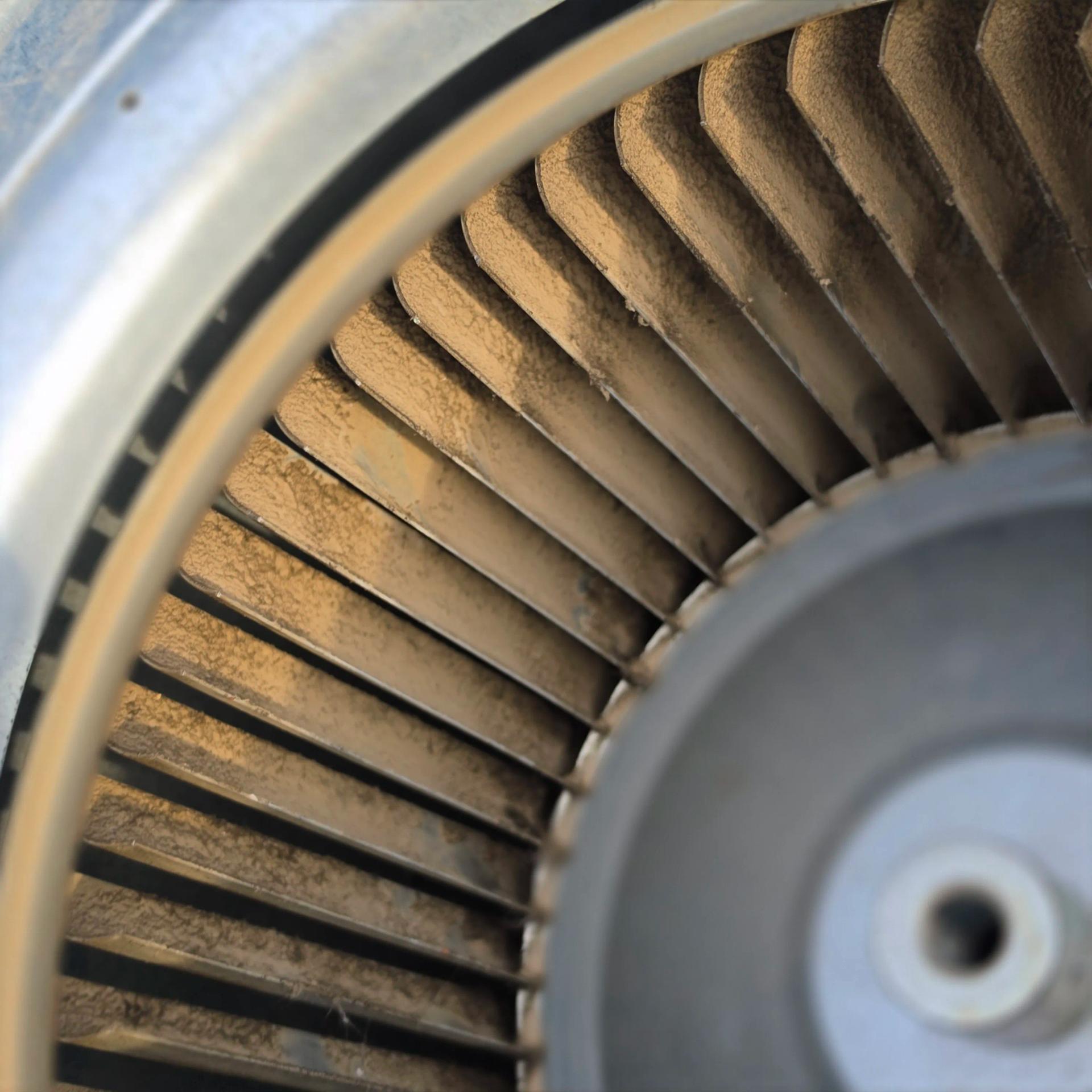
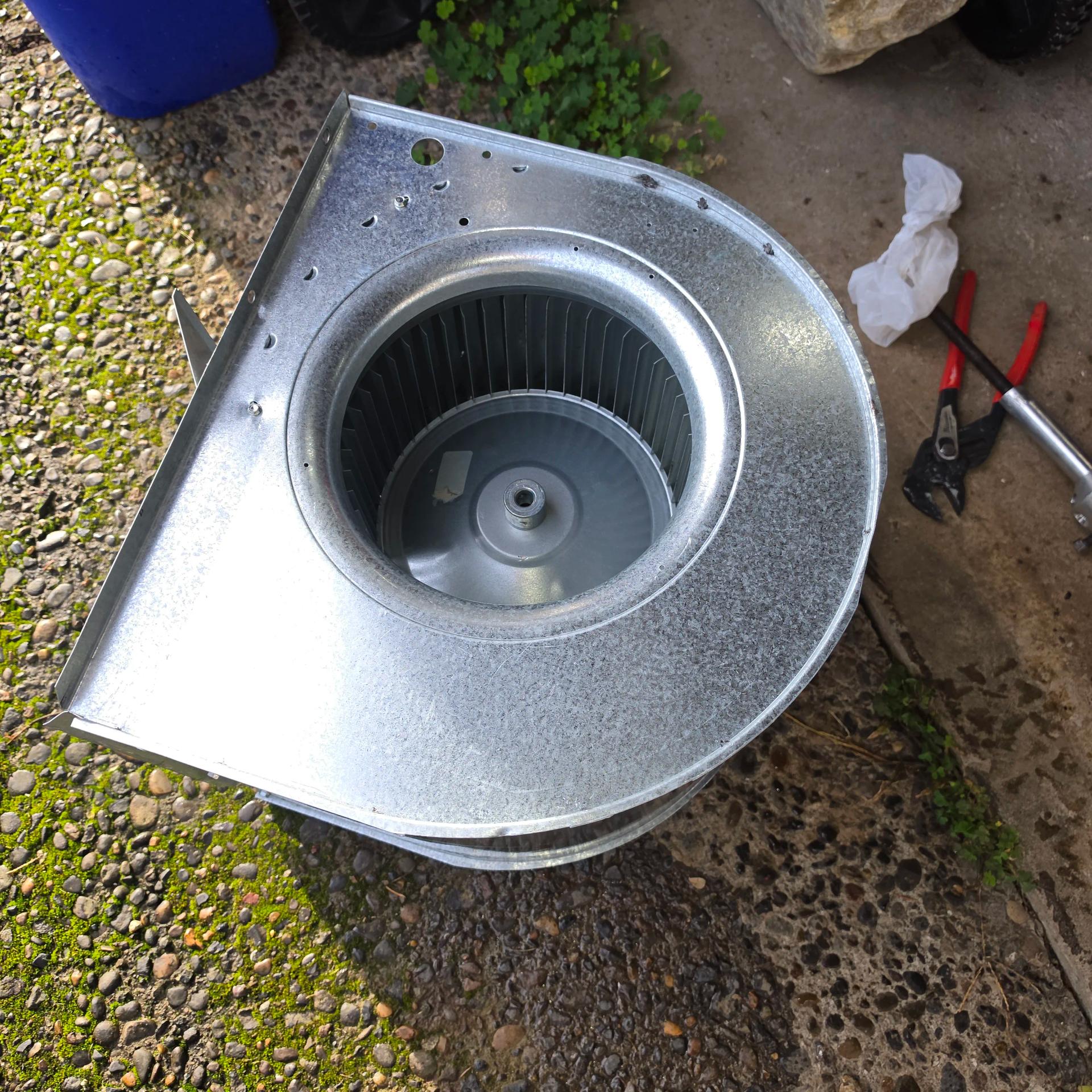
We opened up this Trane high-efficiency gas furnace and pulled the blower wheel assembly out for a full cleaning. The blades were packed with dust and debris - the kind of buildup that happens gradually over years and slowly chokes the airflow out of your system. A clogged blower wheel has to spin harder to move the same amount of air, which puts extra strain on the motor and drives up your energy use.
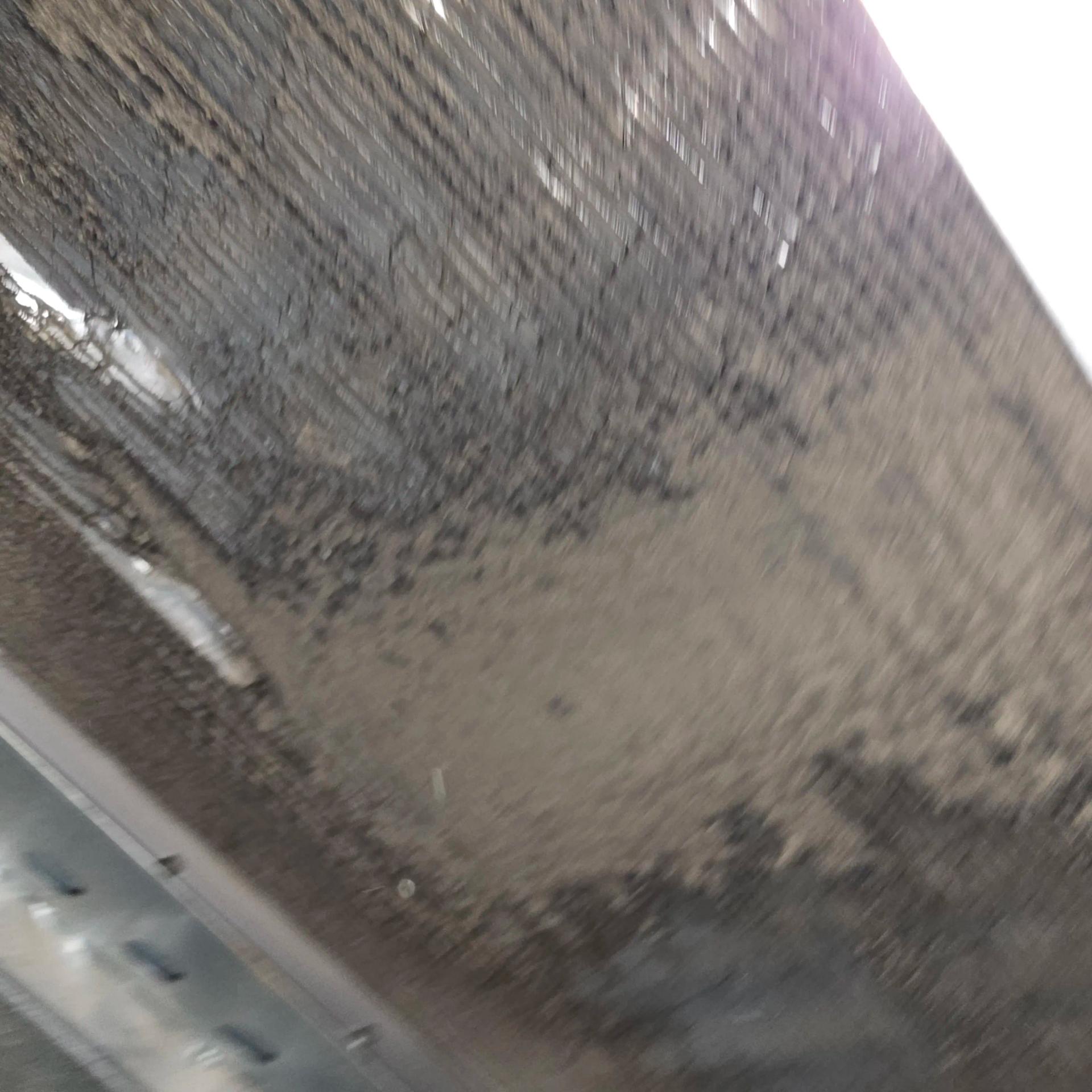
We also cleaned the secondary heat exchanger. On high-efficiency furnaces, this is the component that extracts the last bit of heat from combustion gases before they're vented out. When it gets coated with residue, the furnace can't do its job as efficiently. It's one of those things most people don't even know exists - but it makes a real difference in how well the system performs.
Once everything was cleaned and reassembled, the difference in airflow was immediate. This is exactly the kind of HVAC maintenance that keeps a good furnace running like it should - without replacing parts that don't actually need replacing. With heating season in full swing across the Portland area, it's worth knowing what's going on inside your system before you really need it.
A dirty blower wheel and a gunked-up heat exchanger are two of the most overlooked causes of poor furnace performance. If your system seems sluggish, is running longer than usual, or just isn't heating as well as it used to, the fix might be simpler than you think.