AC Refrigerant Leak Search on a Lennox System
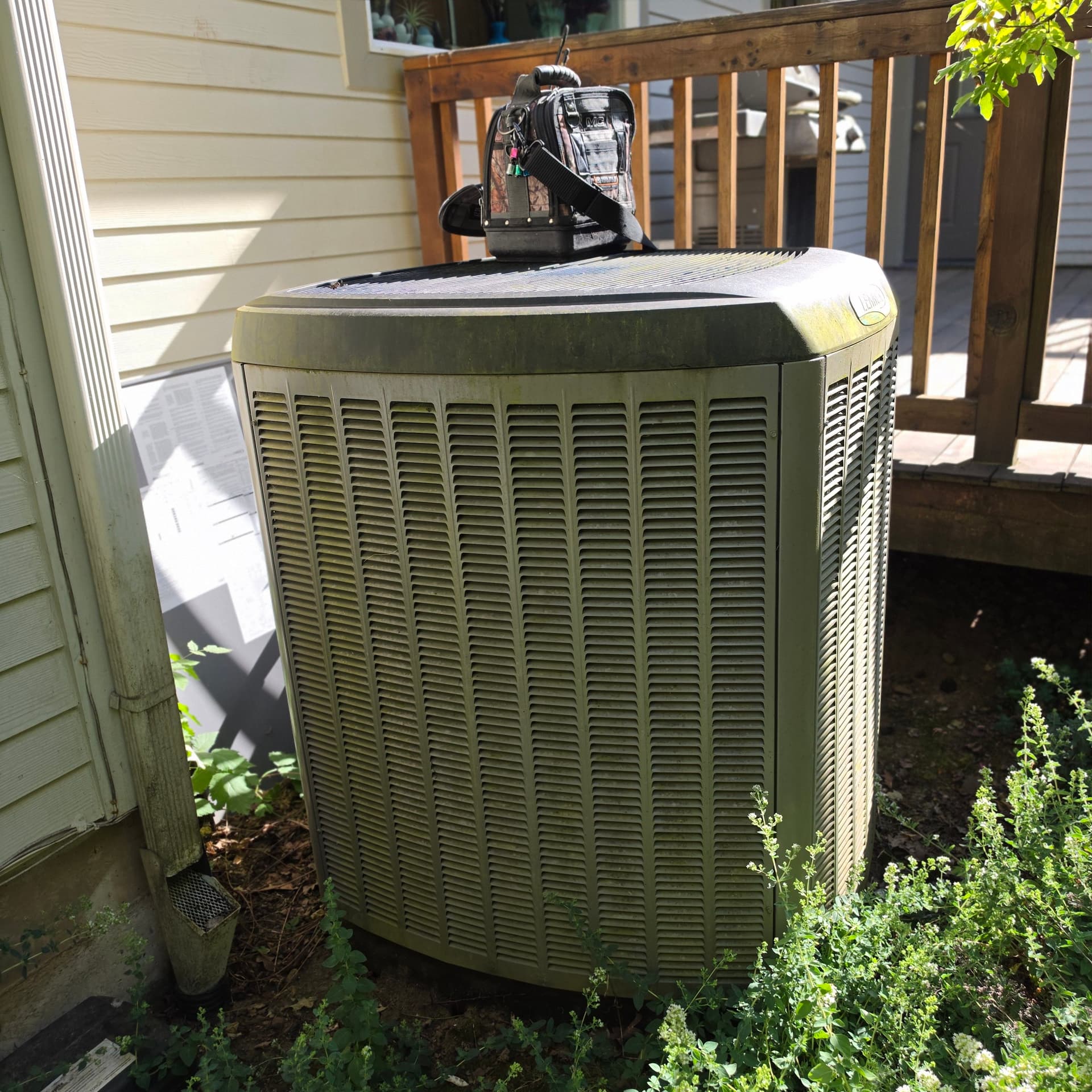
When a customer's AC stops keeping up, low refrigerant is one of the first things we check. But here's what a lot of people don't realize - low refrigerant almost always means there's a leak somewhere in the system. Just topping it off is a temporary fix at best. The refrigerant doesn't get "used up" like gas in a car. If it's low, it's leaking out somewhere.
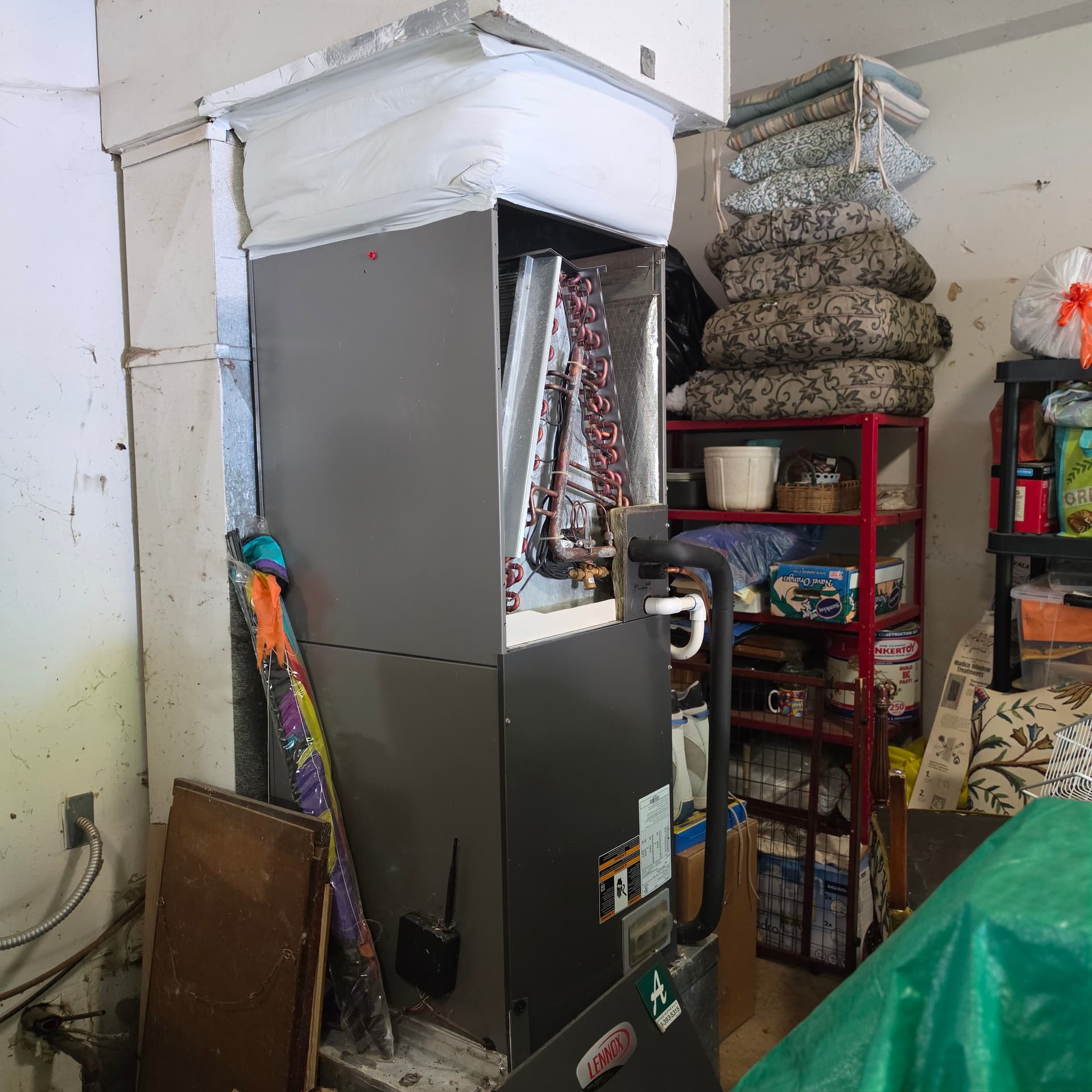
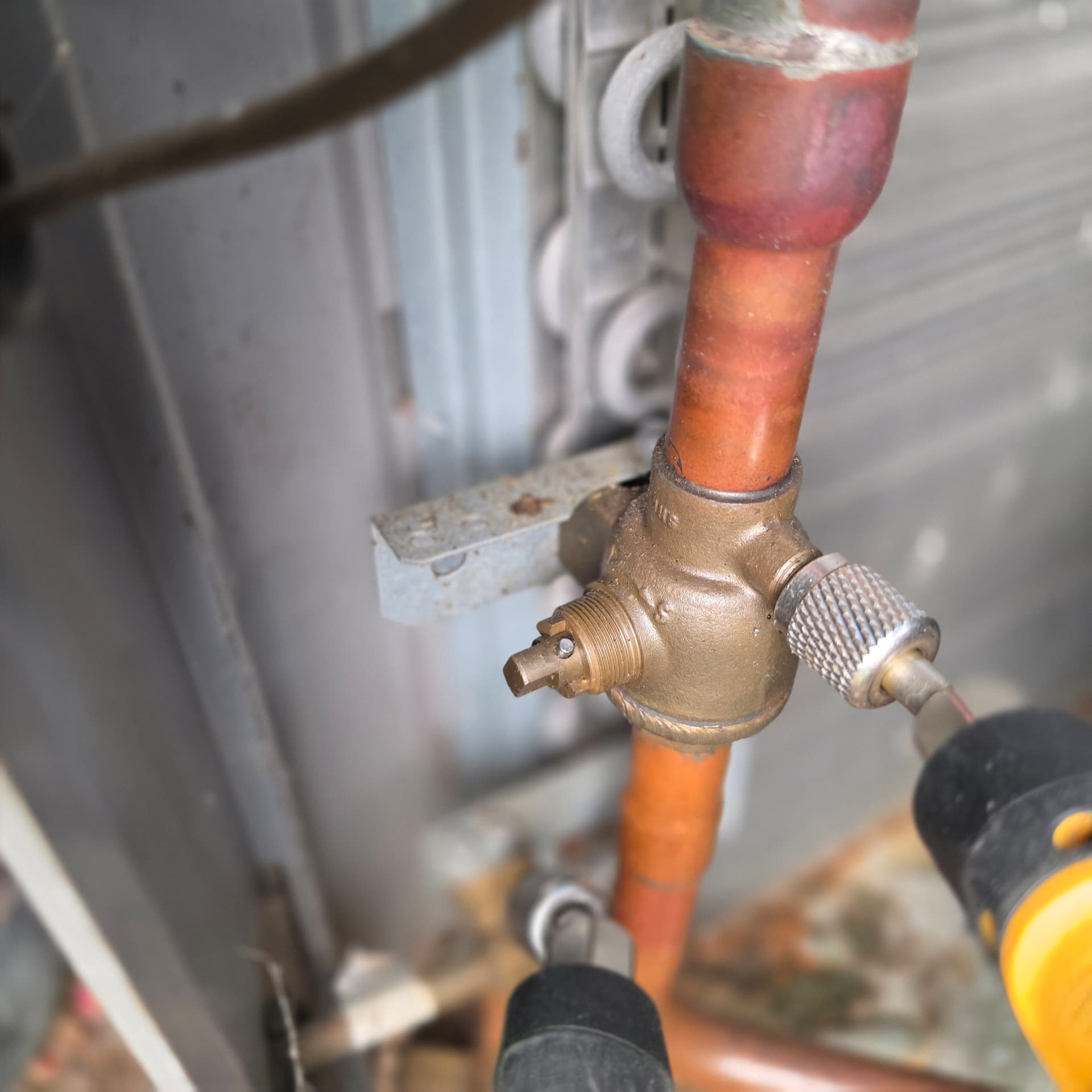
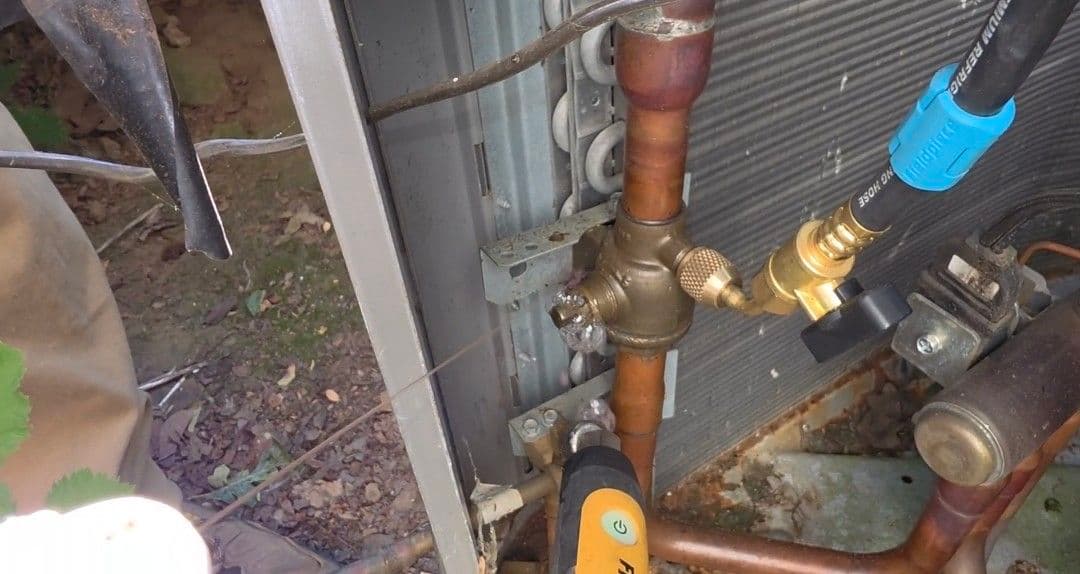
So we came out, hooked up our gauges at the service valves on the condensing unit, and started a proper leak search. That's the only way to actually solve the problem instead of just masking it. We worked through the refrigerant circuit - from the outdoor unit all the way back to the evaporator coil on the Lennox air handler inside - looking for where the system was losing charge.
This kind of diagnostic work takes time and know-how. You have to connect to the right ports, read the pressures correctly, and use the right tools to track down where refrigerant is escaping. It's not glamorous work, but it's the difference between a repair that actually holds and one that has you calling us back every summer.
Skipping the leak search and just adding refrigerant is one of the most common - and costly - mistakes homeowners run into with older AC systems. You end up paying for refrigerant repeatedly, and meanwhile the underlying problem keeps getting worse. Finding the source is always the right call.
If your AC is struggling to keep up or you've been told it needs refrigerant more than once, that's a sign worth paying attention to. A proper diagnostic - not just a recharge - is what gets you to the real answer.