
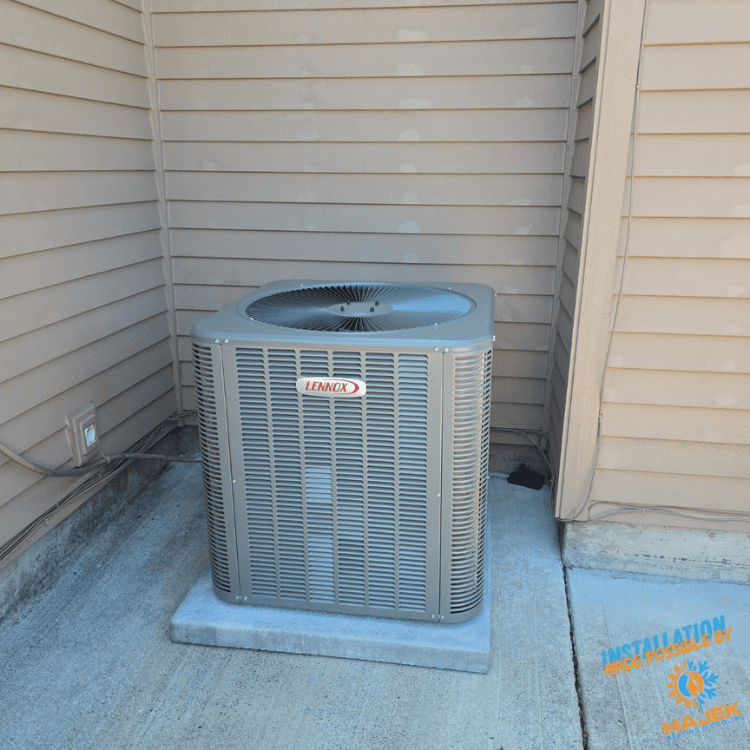
Replacing or installing a new HVAC system is one of those decisions homeowners tend to postpone until something breaks, the house won’t cool down, or the first cold front hits and the heater won’t cooperate. Yet the moment of installation is when you lock in your comfort level, energy costs, and system reliability for the next 10–15 years. Understanding how HVAC installation works, what choices you have, and what to expect from your contractor can mean the difference between a quiet, efficient system and a noisy, high-bill headache. For families in Plano, TX, where summer heat is relentless and winter can still surprise you, getting this right is not optional.
HVAC installation is more than swapping out an old unit for a new one. It is a process that involves careful sizing, airflow planning, duct evaluation, refrigerant handling, electrical work, and safety considerations. Each of these steps affects how comfortable your home will feel in every room, how long your equipment will last, and how much you’ll pay each month to run it. When you understand these pieces, you are better prepared to ask the right questions, recognize quality workmanship, and partner with a trusted company like Hajek Heating & Cooling to protect your investment.
In Plano’s climate, your HVAC system is the heart of your home’s comfort strategy. It has to handle triple-digit temperatures, high humidity, and significant temperature swings between seasons. A good installation anticipates those demands. Instead of just focusing on the price tag of the equipment, look at the entire installation as a long-term comfort and efficiency plan. That shift in mindset is how you get a system that not only works on day one, but also continues to perform year after year.
The Role Of Proper Sizing
One of the most misunderstood parts of HVAC installation is system sizing. Many homeowners assume “bigger is better” or think that matching the size of the old system is automatically the right choice. In reality, both oversized and undersized systems can cause serious problems. An undersized unit will run constantly, struggle to keep up on hot Plano afternoons, and wear out faster. An oversized system, on the other hand, may short-cycle, turning on and off frequently, creating uneven temperatures and poor humidity control.
Professional contractors like Hajek Heating & Cooling use industry-standard methods, often called Manual J load calculations, to determine the correct size for your home. This calculation considers square footage, insulation levels, window quality, orientation to the sun, number of occupants, and even local climate data for Plano, TX. Rather than guessing, the technician uses real measurements and data to determine how much heating and cooling capacity your home actually needs. This is far more accurate than using a rule-of-thumb estimate based only on square footage.
Correct sizing directly affects your comfort. When your system is properly matched to your home, it runs long enough to remove humidity during cooling season, keeps temperatures stable, and avoids the noisy, frequent cycling that many homeowners mistake for “strong performance.” Properly sized equipment also tends to last longer because it is not constantly overworking or turning on and off unnecessarily. While the sizing process happens behind the scenes, asking your installer how they determined the size of your system is an important way to verify that the job is being done correctly.
Ductwork, Airflow, And Comfort
Even the most advanced HVAC unit will disappoint if the ductwork is poorly designed or in bad condition. Ducts are the circulatory system of your home’s heating and cooling, carrying conditioned air to each room and returning air back to the system. In many Plano homes, especially older ones or homes that have been remodeled several times, ductwork may be leaky, undersized, or simply not laid out to match how the house is used today. During a quality installation, your contractor will evaluate the existing duct system, not just the equipment.
Leaky or poorly insulated ducts can waste a tremendous amount of energy. When ducts run through hot attics, common in Plano, uninsulated or poorly sealed joints allow cooled air to escape before it ever reaches your living spaces. That forces your new system to run longer to achieve the same result, driving up utility bills. Part of a thorough installation is sealing joints, checking for damaged sections, and confirming that key runs are sized correctly to deliver enough air to each room. Sometimes, adding returns or modifying a few key branches can dramatically improve comfort.
Airflow balancing is another critical, but often overlooked, aspect. After installation, a skilled technician will measure airflow, adjust dampers, and confirm that each room is receiving adequate supply air. Without this step, you may end up with bedrooms that are too warm, a home office that is always chilly, or a second floor that never quite feels as comfortable as the first. Hajek Heating & Cooling understands that homeowners in Plano want consistent comfort throughout the home, and proper ductwork evaluation and adjustment during installation is how you get there.
Energy Efficiency And System Options
When you start exploring HVAC options, you will see efficiency ratings like SEER (Seasonal Energy Efficiency Ratio) for cooling and AFUE (Annual Fuel Utilization Efficiency) for heating. These ratings give you a sense of how efficiently a system converts energy into comfort. In a climate like Plano’s, where air conditioning is heavily used, choosing a higher SEER rating can significantly reduce your electric bills over the life of the system. However, efficiency is not just about the equipment label; it also depends on how the system is installed.
Modern HVAC systems come in several configurations: single-stage, two-stage, and variable-speed units. Single-stage systems are either on or off, which can lead to temperature swings and less precise humidity control. Two-stage systems can run at a lower capacity most of the time, saving energy and providing more even comfort. Variable-speed systems take this further, adjusting their output in small increments to match exactly what your home needs at any moment. For Plano homeowners, variable-speed systems can offer exceptional comfort during long stretches of heat, but they must be installed and set up correctly to deliver those benefits.
The installation process includes more than just placing the outdoor unit and connecting refrigerant lines. It involves properly charging the refrigerant, setting up thermostats and controls, calibrating airflow, and confirming that safety and efficiency settings are correct. A high-efficiency unit installed poorly may perform no better than a lower-efficiency system installed correctly. When you work with a company like Hajek Heating & Cooling, you are not just buying equipment; you are investing in the quality of the installation, which is what ultimately determines your real-world energy savings.
What To Expect On Installation Day
Many homeowners are unsure what actually happens on HVAC installation day. Knowing the general process can make the experience smoother and help you recognize that the crew is taking the right steps. Typically, the team will start by protecting your home with drop cloths or floor coverings, especially in high-traffic areas. They will shut off power to the existing system and carefully remove the old indoor and outdoor units, taking care to handle refrigerant in compliance with environmental regulations.
Once the old system is removed, the installation crew will prepare the site for the new equipment. This might include installing a new pad for the outdoor unit, updating line sets if needed, modifying duct connections, or upgrading electrical components such as disconnects and breakers. In Plano homes where older systems are being replaced, this is also the time when the team may correct past shortcuts or bring the installation up to current code requirements, improving safety and reliability.
After placing and connecting the new equipment, the technicians will evacuate and charge the refrigerant lines, wire the thermostat, and start the system for the first time. But the job is not finished when the unit turns on. A thorough installer will perform start-up tests, measure temperatures and pressures, check for refrigerant leaks, verify airflow, and ensure that everything is operating within manufacturer specifications. Before leaving, the crew should review the basics of system operation with you, go over filter replacement and maintenance, and answer any questions. Hajek Heating & Cooling takes this educational step seriously so that Plano homeowners feel confident using and caring for their new system.
Planning, Budgeting, And Long-Term Value
Understanding HVAC installation also means understanding the financial side. A new system is a significant investment, and it is tempting to focus solely on the lowest upfront cost. However, the cheapest bid often comes from cutting corners on labor, skipping key steps like load calculations or duct sealing, or using lower-quality materials. Those savings can quickly disappear in the form of higher utility bills, more frequent repairs, and reduced system lifespan. It is more accurate to look at total cost of ownership over 10–15 years, not just the price of installation day.
When planning your project, discuss your budget and comfort priorities with your contractor. Maybe your top concern is energy efficiency and lowering monthly bills. Or perhaps you are most focused on quiet operation and consistent temperatures for a home office or nursery. By sharing these priorities, you allow a company like Hajek Heating & Cooling to recommend equipment and installation options that align with your goals. This might include advanced thermostats, zoning systems for multi-story homes, or indoor air quality upgrades like better filtration or dehumidification.
It is also wise to consider warranties and maintenance from the start. Quality manufacturers offer strong warranties, but many require professional installation and regular maintenance to keep those warranties valid. Setting up a maintenance plan at the time of installation helps protect your investment, catching small issues before they grow into big problems. In a climate as demanding as Plano’s, where systems run hard for much of the year, this proactive approach can extend the life of your equipment and keep your home comfortable without surprises.
Local Climate And Local Expertise
HVAC installation is never one-size-fits-all. What works well in a mild northern climate is not necessarily right for Plano, TX. Local weather patterns, building styles, and utility rates all shape the best approach. In North Texas, systems must be sized and installed to handle intense summer heat, high cooling loads, and the need for effective dehumidification. Choosing a contractor who understands these local conditions is essential. They will know which equipment types perform best here and how to configure systems for our particular climate challenges.
Local expertise also matters when it comes to codes and permitting. HVAC installations must meet local building codes, safety standards, and often require permits and inspections. A reputable company like Hajek Heating & Cooling stays up to date on Plano and Collin County requirements, ensuring that your installation is safe, legal, and documented. This is important not only for your current comfort, but also for future home resale, where proper permits and code-compliant work can prevent headaches during inspection.
Finally, a local company builds its reputation on long-term relationships. When you choose a Plano-based provider, you are working with a team that expects to support your system for years to come, not just on installation day. They are familiar with common issues in local neighborhoods, from specific subdivision duct layouts to typical attic conditions. That local knowledge, combined with your understanding of the installation process, creates a partnership that protects your comfort and your home.
If you are starting to plan a new system, take time to learn, ask questions, and choose a contractor who treats installation as a careful, step-by-step process rather than a rush job. Resources like Understanding HVAC Installation for Your Home and a conversation with an experienced Plano HVAC team can help you move forward with confidence.
Frequently Asked Questions
How long does a typical HVAC installation take? Most standard residential HVAC installations in Plano can be completed in one full day, assuming there are no major ductwork changes or structural modifications required. The crew usually arrives in the morning, removes the old equipment, prepares the site, installs the new indoor and outdoor units, and performs start-up testing. More complex projects, such as full duct replacements, zoning system additions, or significant electrical upgrades, may take two days or more. A reputable contractor will explain the expected timeline in advance and keep you updated if anything changes during the job.
Do I need to replace my ductwork when I install a new system? Not always, but it should at least be evaluated. In many Plano homes, existing ductwork can be reused with minor repairs, sealing, or insulation upgrades. However, if ducts are badly damaged, undersized, or poorly laid out, they can severely limit the performance of your new equipment. During an estimate, ask your contractor to inspect the ducts, measure airflow, and show you any issues they find. Replacing or modifying ducts during installation may add to the upfront cost, but it often pays off in better comfort, lower energy bills, and a longer-lasting system.
What size HVAC system does my home need? The correct size depends on much more than square footage. A proper load calculation considers your home’s layout, insulation, window types, shading, air leakage, and the specific climate conditions in Plano, TX. Two homes with the same square footage can require different system sizes based on these factors. Avoid contractors who size equipment by guesswork or by simply matching your old unit. Instead, choose a company like Hajek Heating & Cooling that performs a formal load calculation and is willing to explain how they arrived at their recommendation.
How can I tell if my installation was done correctly? Several signs point to a quality installation. Your home should reach and maintain set temperatures without excessive cycling or large temperature swings between rooms. The system should operate relatively quietly, with no unusual rattling or whistling sounds from ducts. Your thermostat should be properly programmed, and the installer should have walked you through basic operation and maintenance. You can also ask to see documentation of the load calculation, refrigerant charge readings, and start-up test results. If something feels off, contact your installer promptly so they can inspect and make adjustments.
Is a high-efficiency system always worth the extra cost? In many Plano homes, higher-efficiency systems can pay for themselves over time through lower energy bills, especially if you plan to stay in the home for several years. However, the real-world value depends on your usage patterns, utility rates, and the quality of the installation. A moderately higher SEER system that is installed and set up correctly often delivers better long-term value than an ultra-high-efficiency unit installed poorly. Discuss your budget, how long you expect to stay in the home, and your comfort priorities with your contractor so they can help you choose the efficiency level that makes the most sense for your situation.