
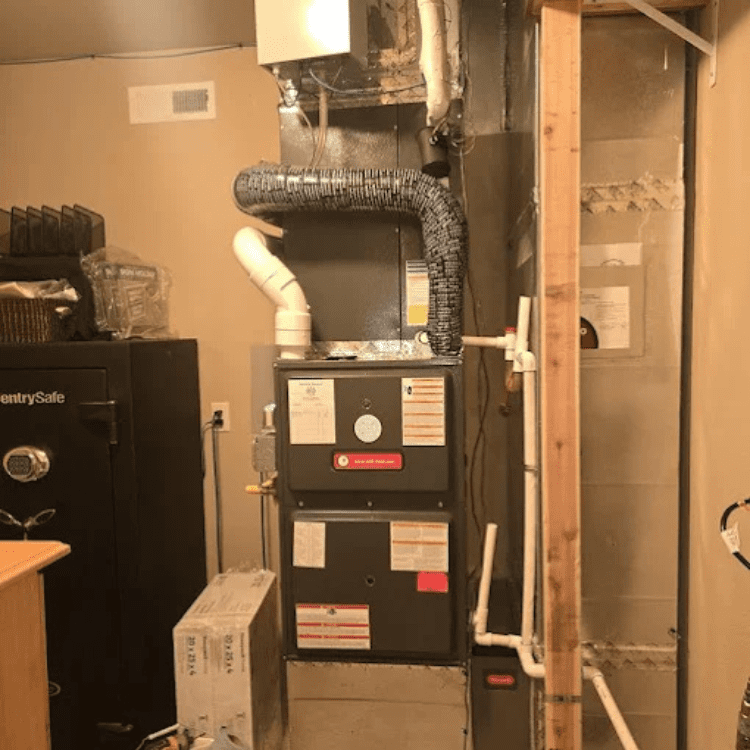
Many new homeowners are surprised when their brand‑new house feels drafty in winter, stuffy in summer, and uneven from room to room. The walls are fresh, the paint is perfect, and the insulation is up to code, yet the comfort just isn’t there. Often, the culprit isn’t the house itself but an HVAC system that was sized or installed as an afterthought, instead of being planned as a central part of the home’s design. Inefficient HVAC installation can lock a new home into higher energy bills, premature equipment wear, and ongoing comfort complaints from day one.
Efficient HVAC installation for new homes takes the opposite approach. Instead of slapping in a “standard” system, it starts with careful planning, precise calculations, and coordination with the builder and homeowner. In a climate like Plano, TX, where scorching summers and chilly winter nights are both part of the annual cycle, this planning matters even more. Hajek Heating & Cooling focuses on designing and installing HVAC systems that match the home’s layout, the family’s lifestyle, and local weather demands, so the system quietly does its job without wasting energy or struggling to keep up.
When HVAC is integrated early in the building process, the result is a home that feels comfortable in every room, runs efficiently, and is ready for future technologies and changing needs. Ducts are routed intelligently, equipment is right-sized, and controls are placed where they actually make sense for the people living there. That’s the core of efficient HVAC installation: making dozens of small, technical decisions up front that pay off for years in the form of lower utility bills, fewer breakdowns, and a home that simply feels “right” in every season.
Planning During Home Design
Efficient HVAC installation begins before the slab is poured or the first wall goes up. During the design stage, a knowledgeable contractor like Hajek Heating & Cooling reviews the architectural plans, window placements, ceiling heights, and insulation specifications. In Plano, TX, where solar gain from large windows can have a major impact on cooling loads, these details are crucial. By collaborating early with builders and homeowners, the HVAC design can be tailored to the home’s unique features, rather than forcing a generic system onto a custom layout.
One of the most important planning tasks is performing accurate load calculations. Instead of relying on rules of thumb such as “one ton of cooling per X square feet,” professionals use standardized methods (often referred to as Manual J calculations) to determine how much heating and cooling each part of the house will actually need. This process considers insulation levels, window types, shading, air leakage, and even the home’s orientation to the sun. The result is a clear picture of how much capacity the system should have to stay efficient and comfortable without oversizing or undersizing.
Early planning also addresses where equipment will be located and how it will be accessed for future maintenance. Placing air handlers, condensers, and ductwork in well-ventilated, properly insulated areas can significantly impact efficiency and longevity. For example, minimizing duct runs through hot attics in Plano’s summer heat reduces energy losses and helps the system work less to deliver cool air. Thoughtful planning also ensures there is enough space around equipment for service technicians to inspect, clean, and repair components without difficulty.
Another planning consideration is zoning and future flexibility. A two-story home with open spaces and varying sun exposure may benefit from multiple zones or separate systems to avoid temperature imbalances. By deciding on zoning strategies during the design phase, installers can run separate duct trunks, install dampers, and plan thermostat locations more effectively. This foresight helps prevent hot upstairs rooms, cold downstairs areas, and constant thermostat battles among family members once the home is occupied.
Right-Sizing Equipment And Ducts
Choosing the right size HVAC equipment is one of the most misunderstood aspects of new home construction. Many people assume that bigger is better, especially in a hot climate like Plano, TX. In reality, an oversized air conditioner or furnace can cause short cycling, poor humidity control, uneven temperatures, and higher operating costs. Efficient HVAC installation relies on data-driven sizing, matching equipment capacity to the home’s specific needs determined by load calculations.
When a system is oversized, it reaches the set temperature too quickly and shuts off, never running long enough to properly dehumidify the air. This can leave the home feeling clammy even though the thermostat shows the desired temperature. In winter, an oversized furnace can create hot and cold swings, running in short bursts instead of maintaining a steady, comfortable environment. By contrast, properly sized equipment runs at longer, more efficient cycles, providing stable comfort and better air quality.
Duct sizing is just as critical as equipment sizing. Ducts that are too small restrict airflow, increase static pressure, and force the system to work harder, which can shorten equipment life and increase noise. Ducts that are too large, or poorly arranged, can cause uneven distribution and wasted energy. Efficient HVAC installation includes detailed duct design calculations (often known as Manual D), which determine ideal duct diameters, branch lengths, and register placements so each room receives the right amount of conditioned air.
In new homes, mismatched ducts and equipment are a common source of comfort complaints. A high-efficiency air conditioner paired with poorly designed ductwork will never perform to its potential. Hajek Heating & Cooling addresses this by treating the HVAC system as a whole, ensuring that the air handler, outdoor unit, ducts, and registers work together. This holistic approach to sizing prevents bottlenecks, reduces noise, and helps the system deliver the efficiency that homeowners expect from modern equipment.
Ductwork Design And Installation Quality
Even the most advanced HVAC system cannot overcome leaky, poorly installed ductwork. In many homes, a significant portion of heated or cooled air is lost before it ever reaches the living space, escaping through gaps, kinks, or uninsulated runs. For new homes in Plano, TX, efficient HVAC installation prioritizes tight, well-insulated ducts that preserve the energy you are paying for. This starts with a clear duct layout that minimizes unnecessary turns, long runs, and restrictive fittings.
Proper duct sealing is a non-negotiable step. Joints, seams, and connections should be sealed with mastic or UL-rated tapes, not with generic cloth duct tape that dries out and fails over time. When ducts run through unconditioned spaces such as attics or garages, they should be insulated to reduce heat gain or loss. In Plano’s summer heat, uninsulated attic ducts can raise the temperature of delivered air by several degrees, forcing the air conditioner to work harder and longer to cool the home.
Register placement also affects comfort and efficiency. Supply registers should be located to promote even mixing of air in each room, often near windows or exterior walls where heat gain or loss is most pronounced. Return air pathways must be adequately sized and positioned so that air can flow freely back to the system. Inadequate return air can lead to pressure imbalances, noisy vents, and hot or cold spots. Efficient HVAC installation ensures every room has a clear path for air to circulate, eliminating the “stale room” problem that sometimes plagues new homes.
Hajek Heating & Cooling pays special attention to the details that homeowners rarely see but feel every day. This includes using properly sized trunk lines, avoiding sharp duct bends that restrict airflow, and verifying that dampers are correctly positioned. After installation, testing the duct system for leakage and airflow issues allows technicians to correct problems before the walls and ceilings are closed up. That quality control step is essential, because it’s far easier and more cost-effective to fix duct issues during construction than after the home is finished.
Energy Efficiency, Comfort, And Indoor Air Quality
Efficient HVAC installation is not just about lowering utility bills; it is also about creating a healthier, more comfortable living environment. When systems are designed and installed correctly, they maintain consistent temperatures, manage humidity, and filter the air effectively. In a region like Plano, TX, where pollen, dust, and fluctuating humidity can affect comfort and health, these factors are especially important. A well-installed system reduces drafts, cold spots, and hot rooms, so the entire home feels more livable.
Energy-efficient equipment, such as high-SEER air conditioners, variable-speed furnaces, and smart thermostats, delivers the most benefit when paired with proper installation. A high-performance unit connected to poorly sealed ducts or incorrect refrigerant charge will waste much of its potential. Efficient installation verifies airflow, refrigerant levels, and combustion settings, ensuring that the equipment operates at its rated efficiency. This attention to detail can translate into significant savings over the life of the system, especially given the long cooling season in North Texas.
Indoor air quality is another key consideration. Proper filtration, ventilation, and humidity control can reduce allergens, odors, and the spread of airborne irritants. During new home construction, there is an opportunity to integrate advanced filtration options, fresh air intakes, and dehumidification strategies directly into the HVAC design. For families with asthma, allergies, or sensitivities, these features can make a noticeable difference. Efficient HVAC installation considers filter access, filter size, and maintenance ease so that homeowners are more likely to keep their systems clean and effective.
Comfort is also about sound levels. Poorly installed systems can produce rattles, whistling vents, or loud startups that disrupt quiet moments at home. By sizing ducts correctly, isolating equipment vibrations, and using quality components, installers can minimize noise. Hajek Heating & Cooling focuses on these details because they shape the overall experience of living in the home. A truly efficient system is one you barely notice—except in your monthly energy bills and day-to-day comfort.
Smart Controls And Future-Ready Systems
Modern HVAC systems are increasingly intelligent, and new homes are the perfect place to take advantage of these capabilities. Smart thermostats, zoning controls, and connected sensors allow homeowners to tailor comfort to their routines and preferences. In Plano, TX, where temperatures can swing quickly, smart controls can adjust setpoints and schedules automatically, reducing energy use when the home is empty and ensuring comfort when residents return. Efficient HVAC installation includes proper thermostat placement and wiring to enable these features without adding complexity or confusion.
For larger or more complex homes, zoning can dramatically improve comfort and efficiency. By dividing the home into separate zones, each with its own thermostat and controlled dampers, the system can deliver more cooling where it is needed and less where it is not. For example, upstairs bedrooms can be cooled more at night, while downstairs living areas might need more attention during the day. Designing these zones during construction allows for cleaner duct routing and better damper placement, avoiding the need for costly retrofits later.
Future-ready HVAC systems also consider evolving technologies and energy codes. As equipment becomes more efficient and building standards tighten, having a well-designed infrastructure in place makes upgrades easier. Adequate space for equipment, accessible duct runs, and properly sized electrical circuits all contribute to this flexibility. Hajek Heating & Cooling can help homeowners in Plano think ahead about potential additions such as whole-house dehumidifiers, advanced filtration, or energy recovery ventilators, even if they are not installed on day one.
Integrating HVAC with other home systems can further enhance efficiency. For instance, pairing a smart thermostat with a home automation platform can coordinate window shades, ceiling fans, and lighting to reduce cooling loads. While not every homeowner will want a fully connected smart home, designing the HVAC system with these options in mind keeps doors open for future enhancements. Efficient installation is as much about smart planning as it is about current hardware.
Choosing The Right HVAC Partner
The best HVAC design can only succeed if the installation team has the skill, experience, and commitment to do the job right. In a fast-growing area like Plano, TX, new construction is booming, and not all installations are created equal. Some builders focus primarily on initial cost and speed, choosing the lowest bid without fully considering long-term performance. Homeowners benefit when they are involved in selecting the HVAC contractor and can prioritize quality over shortcuts.
An experienced company such as Hajek Heating & Cooling understands the local climate, building practices, and code requirements. They bring that knowledge to each new home project, recommending equipment and designs that match real-world conditions rather than generic assumptions. They also take the time to explain options to homeowners, from equipment efficiency ratings to filtration choices and thermostat features. That communication helps homeowners make informed decisions that fit both their comfort expectations and their budget.
Quality-focused contractors also emphasize testing and verification. After installation, they check airflow, refrigerant charge, electrical connections, and safety controls. They may use instruments to measure static pressure in the duct system or temperature differences across the coil. These tests catch issues that might not be visible but would impact efficiency and reliability over time. Skipping these steps can lead to nagging problems that surface months later, often after the builder’s primary involvement has ended.
Finally, a strong HVAC partner supports the homeowner after move-in. They provide guidance on filter changes, thermostat programming, and routine maintenance schedules. They are available for seasonal tune-ups and any questions that arise as the family settles into the home. Efficient HVAC installation is not a one-day event; it is the beginning of a long-term relationship between the homeowner, the system, and the contractor who stands behind the work.
Frequently Asked Questions
Why is HVAC planning during construction so important for efficiency? Planning during construction allows the HVAC system to be designed around the home, rather than forced into whatever space is left over. Load calculations, duct layouts, and equipment locations can be optimized before walls and ceilings are closed. This leads to better airflow, more consistent temperatures, and fewer energy losses. In Plano’s climate, where cooling demands are high, thoughtful planning can make the difference between a system that struggles every summer and one that runs smoothly and efficiently for years.
How do I know if my new home’s HVAC system is the right size? The only reliable way to know is through proper load calculations performed by a qualified contractor. If you are told the system was sized based only on square footage or a generic rule of thumb, that is a red flag. Ask your builder or HVAC installer whether detailed calculations were done and what factors were considered, such as window types, insulation, and orientation. A properly sized system will run longer, steadier cycles, maintain even temperatures, and control humidity effectively without frequent short cycling.
Are high-efficiency units always worth the extra cost in a new home? High-efficiency units can provide substantial long-term savings, especially in areas with long cooling seasons like Plano, TX, but their value depends on correct installation and your usage patterns. If ducts are leaky or airflow is poor, you will not see the full benefit of high-efficiency equipment. When installed correctly, these units typically reduce energy bills, operate more quietly, and may offer better comfort features such as variable-speed operation. Discuss expected payback periods and local energy rates with your contractor to determine the best balance between upfront cost and long-term savings.
What can I do during construction to improve indoor air quality later? During construction, you can choose HVAC designs that support better filtration, ventilation, and humidity control. This includes specifying filter sizes that accommodate higher-efficiency media, planning for fresh air intakes or ventilation systems, and considering dehumidification options. Ensuring that ducts are sealed and protected from construction dust also helps. Working with a contractor like Hajek Heating & Cooling, you can integrate these features into the overall HVAC design so your new home supports cleaner, healthier air from day one.
How involved should I be in choosing my new home’s HVAC system? As the homeowner, you will live with the system’s performance and operating costs for many years, so it is worth being actively involved. Ask your builder who is handling the HVAC design and installation, what brands and efficiency levels are being proposed, and how the system has been sized. Request explanations of any options, such as zoning, smart thermostats, or upgraded filtration. You do not need to be an expert, but asking informed questions helps ensure that efficiency and comfort are prioritized, not just initial cost. You can also review services like Efficient HVAC Installation for New Homes to better understand what a comprehensive, quality-focused approach looks like.