
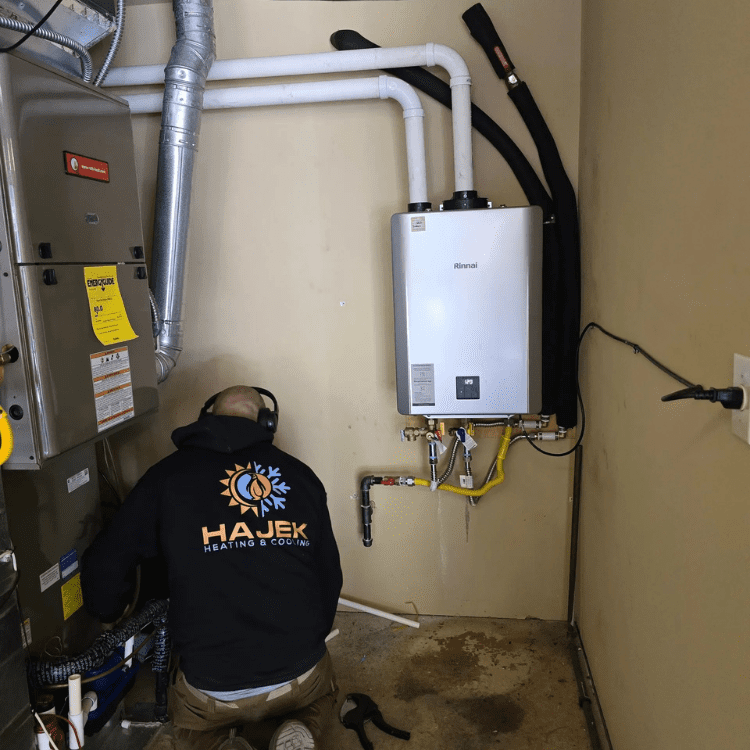
It usually starts with something small: a room that never quite cools down, a strange rattling when the system kicks on, or a sudden spike in your electric bill in the middle of a Plano summer. Most homeowners hope it will “work itself out,” but HVAC problems rarely do. Instead, minor issues tend to grow into major breakdowns, especially when your system is battling triple-digit Texas heat or one of those surprise cold snaps. Understanding common HVAC repair problems and their solutions can help you catch trouble early, protect your comfort, and avoid paying for avoidable emergency service.
In a place like Plano, where air conditioning isn’t a luxury but a necessity, knowing what your system is trying to tell you is critical. Strange noises, uneven temperatures, short cycling, and weak airflow are all signals that something inside the system isn’t operating as it should. The more familiar you are with these warning signs, the sooner you can respond – and the more likely it is that a repair will be simple and affordable instead of complex and costly. That is where working with a trusted local team like Hajek Heating & Cooling becomes invaluable.
Rather than waiting for a total system failure in the middle of August, it helps to recognize the most common HVAC issues Plano homeowners face and what can be done about them. From clogged filters and low refrigerant to failing blower motors and thermostat problems, each has its own causes, symptoms, and solutions. Below, we’ll walk through these issues one by one, explain why they happen, and show how professional repair and smart maintenance can restore your comfort and extend the life of your system.
Uneven Cooling And Hot Spots
One of the most frustrating HVAC complaints in Plano homes is uneven cooling: the living room feels fine, but the upstairs bedrooms are sticky and warm. This often shows up in two-story houses or homes with large windows facing the afternoon sun. Uneven temperatures are usually a sign that the system is struggling with airflow, sizing, or ductwork design, and ignoring it can overwork your equipment as it runs longer and harder trying to satisfy the thermostat.
Several mechanical issues can cause these hot and cold spots. Undersized or poorly designed ductwork can restrict air to certain rooms, while leaks in the ducts can let conditioned air escape into the attic instead of delivering it to your living spaces. A weak or failing blower motor may not be pushing enough air through the system, and closed or blocked vents (from furniture, rugs, or even kids’ toys) can starve a room of airflow. In some Plano homes, the HVAC system itself is undersized for the square footage, which becomes obvious during the hottest months.
The solution depends on what is causing the imbalance. A technician from Hajek Heating & Cooling will typically start by measuring airflow at each vent, inspecting the ductwork for leaks or crushed sections, and checking the performance of the blower motor. Repairs may involve sealing or reconfiguring ducts, adjusting or balancing dampers, cleaning the blower assembly, or replacing a worn-out motor. In some cases, adding additional returns or supply vents in problem areas can dramatically improve comfort. For homes with persistent upstairs heat, zoning systems or ductless mini-splits can be installed to give more precise control over different areas.
Weak Airflow And Noisy Operation
Another common HVAC problem in Plano is weak airflow from the vents, often accompanied by unusual sounds: rattling, banging, whistling, or grinding. Weak airflow makes your system run longer and less efficiently, while strange noises usually indicate a component is loose, worn, or failing. Left unaddressed, these issues can lead to breakdowns at the worst possible time, like during a weekend heat wave.
The simplest and most frequent cause of weak airflow is a dirty air filter. When filters are clogged with dust, pet hair, and debris, the blower motor has to work harder just to pull air through, and less air makes it out the vents. Over time, that extra strain can burn out the motor or damage other components. Duct obstructions, such as fallen insulation, crushed duct sections, or closed dampers, can also reduce airflow to certain rooms. If the blower wheel itself is caked with dust, it loses efficiency and can wobble, producing rattling or scraping noises.
Noisy operation can point to loose panels, screws, or internal components. A banging sound might indicate that something has come loose inside the blower housing or furnace cabinet. High-pitched squealing often means a belt is worn or misaligned in older systems that still use belt-driven blowers. Grinding or screeching sounds can signal failing bearings in the blower motor, which should be addressed immediately to avoid a total motor failure.
Addressing these problems involves both simple homeowner tasks and professional repairs. Regularly changing the air filter (every 1–3 months, depending on usage and indoor air quality) is the first line of defense. If airflow remains weak, a technician from Hajek Heating & Cooling can inspect the ducts, clean the blower assembly, tighten hardware, and replace worn belts or bearings. Catching these issues early not only restores quiet, strong airflow but also protects expensive components from premature failure.
Short Cycling, Constant Running, And High Bills
When an HVAC system turns on and off frequently in short bursts, or seems to run almost nonstop without reaching the set temperature, something is wrong. In Plano’s climate, where systems already work hard, this type of behavior can drive energy bills up quickly and put enormous wear on compressors, motors, and controls. Many homeowners first notice the problem when they receive an unusually high utility bill or realize the system never seems to “catch up.”
Short cycling can be caused by an oversized system that cools the air too quickly without properly dehumidifying, a malfunctioning thermostat, low refrigerant levels, or safety switches shutting the system down prematurely. Constant running, on the other hand, may indicate that the system is undersized, the refrigerant charge is incorrect, the coils are dirty, or there is significant air leakage in the home. In both cases, the system is operating inefficiently and straining components.
One of the first steps a professional will take is to check the thermostat’s placement and calibration. If the thermostat is installed near a heat source, in direct sunlight, or in a drafty spot, it can send inaccurate signals to the system, causing it to cycle improperly. Next, the technician will evaluate refrigerant levels, inspect the evaporator and condenser coils for dirt buildup, and verify that safety controls and sensors are functioning correctly. A dirty coil, for example, can cause the system to overheat or freeze, triggering shutdowns that look like short cycling.
Solutions range from simple to more involved. Replacing or relocating a poorly placed thermostat can stabilize system operation. Cleaning coils, correcting refrigerant charge, and ensuring proper airflow can restore efficiency. If the system is significantly oversized or undersized, Hajek Heating & Cooling can recommend options, which may include system replacement or supplementing with additional equipment to better match the home’s needs. Addressing these issues helps lower utility bills, improve comfort, and extend the life of your HVAC system.
Lack Of Cooling And Refrigerant Issues
Few things are more alarming in a Plano summer than an air conditioner that is blowing warm air or not cooling effectively. Homeowners often assume that low refrigerant is the culprit, but the reality is more complex. While refrigerant problems are common, they are usually a symptom of an underlying issue, such as a leak, rather than something that simply “runs out” like gasoline in a car.
Low refrigerant levels can cause several noticeable symptoms. The system may run continuously without reaching the desired temperature, the air from the vents may feel lukewarm, or you might see ice forming on the refrigerant lines or the indoor coil. In extreme cases, the outdoor unit may shut down due to safety controls, or the compressor can suffer damage from operating under improper conditions. Because refrigerant is part of a sealed system, any drop in level typically indicates a leak that must be located and repaired.
Diagnosing refrigerant issues requires specialized tools and training. A licensed technician from Hajek Heating & Cooling will measure system pressures, inspect for visible signs of leaks, and often use electronic leak detectors or dye to pinpoint the location. Once the leak is identified, the technician can repair or replace the affected component, such as a coil, line set, or valve. After the system is sealed, the correct type and amount of refrigerant is added according to manufacturer specifications.
Attempting to “top off” refrigerant without addressing leaks is both ineffective and potentially harmful to the environment. It also wastes money, as the added refrigerant will eventually escape again. Professional repair restores the sealed system, protects the compressor, and ensures the unit operates at peak efficiency. For Plano homeowners, resolving refrigerant issues promptly can mean the difference between a comfortable summer and weeks of frustration and high energy costs.
Thermostat, Electrical, And Safety Problems
Sometimes the HVAC system itself is not the primary problem; instead, the issue lies with the thermostat, wiring, or safety controls. A malfunctioning thermostat can cause erratic temperatures, short cycling, or a complete failure to turn the system on. Electrical problems, such as loose connections, failing capacitors, or tripped breakers, can leave you without heating or cooling unexpectedly and, in some cases, pose safety risks.
Thermostats can fail due to age, internal component wear, or improper installation. Batteries may die, wiring connections can loosen, or the device might lose calibration over time. In older Plano homes that have undergone renovations, you might find that the thermostat was never relocated after walls were moved or new windows were added, leaving it in a location that no longer represents the true temperature of the living space. Smart thermostats add convenience but also introduce new potential issues, such as Wi-Fi connectivity problems or incorrect programming.
Electrical issues within the HVAC system itself are also common. Capacitors, which help motors start and run, can weaken or fail, leading to humming outdoor units that never fully start or blowers that struggle to turn. Contactor relays can stick or burn, preventing the outdoor unit from shutting off or turning on properly. Loose connections and worn wiring can cause intermittent operation, tripped breakers, and, in severe cases, overheating or arcing.
Addressing these problems safely requires professional expertise. A technician from Hajek Heating & Cooling can test the thermostat, verify wiring, and ensure that low-voltage and high-voltage components are functioning correctly. They can replace failed capacitors, contactors, and relays, tighten connections, and confirm that safety controls like limit switches and pressure switches are doing their job. In many cases, upgrading to a modern, properly placed thermostat and resolving electrical issues can significantly improve comfort, reliability, and energy efficiency.
Preventive Maintenance And Long-Term Solutions
While it is important to understand common HVAC repair problems, it is even more valuable to prevent many of them from happening in the first place. In Plano’s demanding climate, your system runs heavily for much of the year, and that workload accelerates wear on components. Regular preventive maintenance is the single best way to catch emerging issues early, keep performance high, and reduce the likelihood of expensive emergency repairs.
Professional maintenance visits typically include a thorough inspection and cleaning of key components. Technicians check electrical connections, test capacitors and motors, clean or wash coils, verify refrigerant levels, measure airflow, and ensure that safety controls are operating correctly. They also assess the condition of the blower assembly, condensate drain, and ductwork where accessible. This detailed attention often reveals small problems, such as weak capacitors or minor leaks, before they escalate into system failures.
For homeowners, there are simple but important tasks that support professional maintenance. Regularly replacing or cleaning air filters, keeping the outdoor unit clear of leaves and debris, and ensuring that supply and return vents are not blocked all contribute to better airflow and efficiency. Paying attention to new noises, changes in runtime, or unexpected increases in utility bills can also provide early warning signs that it is time to call for service.
Hajek Heating & Cooling offers ongoing maintenance and repair services tailored to Plano homes, helping residents keep their systems running smoothly throughout the year. By combining homeowner diligence with professional inspections and timely repairs, you can significantly extend the life of your HVAC equipment, improve indoor comfort, and maintain more predictable energy costs. When problems do arise, having an established relationship with a trusted local company means you know exactly who to call for fast, knowledgeable help.
Frequently Asked Questions
Why does my HVAC system need repairs so often in Plano, TX? The climate in Plano puts heavy demand on HVAC systems, especially during long, hot summers. Your equipment may run for many hours each day, which accelerates wear on motors, capacitors, coils, and other components. If the system is older, improperly sized, or has not been maintained regularly, it will be more prone to breakdowns. Scheduling routine maintenance and addressing minor issues quickly can reduce the frequency of repairs and help the system handle the local climate more effectively.
What are the most common signs that I need HVAC repair? Common warning signs include uneven temperatures in different rooms, weak airflow from vents, strange noises such as rattling, banging, or squealing, and longer than normal run times. You might also notice the system short cycling, blowing warm air when it should be cooling, or failing to reach the thermostat setting. A sudden increase in your energy bill without a clear explanation is another red flag. If you notice any of these symptoms, it is wise to have a professional from Hajek Heating & Cooling inspect the system before the problem worsens.
Can I fix common HVAC problems myself? Homeowners can handle some basic tasks, such as changing air filters, checking thermostat settings, and making sure vents and the outdoor unit are not obstructed. However, most mechanical, refrigerant, and electrical issues should be left to licensed professionals. Modern HVAC systems are complex, and improper repairs can create safety hazards, void warranties, or cause further damage. For anything beyond simple maintenance, it is safer and more effective to schedule professional service.
How often should I schedule HVAC maintenance in Plano? In a climate like Plano’s, it is generally recommended to have your HVAC system professionally serviced at least once a year, and ideally twice: once in the spring for cooling and once in the fall for heating. Regular maintenance helps ensure the system is clean, properly charged with refrigerant, electrically sound, and ready for the upcoming season. This approach not only improves performance and efficiency but also helps catch small issues before they lead to major repairs or unexpected breakdowns.
When is it better to replace rather than repair my HVAC system? Replacement becomes a smarter option when your system is more than 10–15 years old, requires frequent repairs, or has a major component failure such as a compressor or heat exchanger. If repair costs approach 30–50% of the price of a new system, it often makes more financial sense to invest in replacement, especially given the improved efficiency of modern equipment. A technician from Hajek Heating & Cooling can evaluate your current system, discuss its condition and repair history, and help you compare the long-term costs and benefits of repair versus replacement. For more information about addressing common issues, you can visit Common HVAC Repair Problems and Solutions to explore repair options tailored to Plano homeowners.