
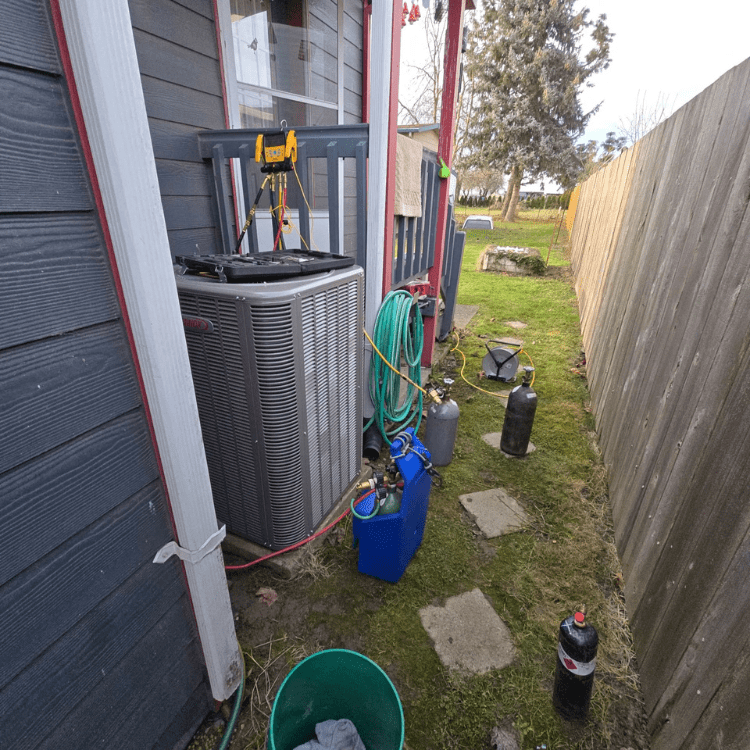
The first hot weekend of the year hits Plano, TX, and your air conditioner decides to quit right after dinner. You’re tired, it’s 85 degrees inside, and every minute feels hotter than the last. You grab a flashlight, pop open the thermostat cover, and start pushing buttons, flipping breakers, and tinkering with wires because waiting for help feels unbearable. That’s exactly the kind of moment when avoiding common HVAC repair mistakes matters most. A well‑intentioned “quick fix” can easily turn a minor issue into a major repair.
Many homeowners in Plano are smart and handy; they can swap a garbage disposal, patch drywall, or change a faucet. But HVAC systems are different. They blend electrical components, refrigerant, airflow science, and complex controls that all have to work together. One wrong move can damage expensive parts, void warranties, or even create safety hazards. Understanding what not to do is just as important as knowing what to do, and it can save you money, time, and frustration. That’s where guidance from a professional team like Hajek Heating & Cooling becomes crucial.
Instead of guessing your way through an HVAC problem, you can learn the most frequent missteps homeowners make and how to avoid them. By recognizing these traps in advance, you’ll know when a DIY approach is safe and when it’s time to stop, step back, and call in a professional. The goal isn’t to scare you away from touching your system at all; it’s to help you make smarter decisions that protect your comfort, your equipment, and your wallet.
Overlooking Basic Checks First
One of the most common mistakes in HVAC repair is jumping straight to complex solutions while skipping the simple checks. When your AC or furnace stops working, it’s easy to assume something major has failed. Homeowners in Plano often start thinking about compressor replacements or control board failures before they’ve even looked at the thermostat settings or the air filter. This mindset can lead to unnecessary panic and sometimes unnecessary service calls.
Before you touch any internal components, verify the basics. Confirm the thermostat is set to the correct mode (cool or heat), at a reasonable temperature, and that the fan setting is appropriate. Check that the system actually has power: look at the breaker panel, the outdoor disconnect, and any switches near the furnace or air handler. A tripped breaker or accidentally switched-off unit is far more common than you might think, especially after storms or remodeling work. Taking two minutes for these checks can save you from hours of discomfort and potentially costly guesses.
Another overlooked basic is the air filter. A severely clogged filter can cause airflow problems, frozen coils, short cycling, and even system shutdowns. Many homeowners call Hajek Heating & Cooling for a “broken” system, only to discover that the root cause is a neglected filter that hasn’t been changed in months. Replacing filters regularly and checking them whenever performance changes is one of the simplest ways to avoid unnecessary HVAC repairs altogether.
By building a habit of starting with these basic checks, you greatly reduce the risk of tearing into equipment that isn’t actually broken. You also give your technician in Plano clear, accurate information when you do need to call, which helps them diagnose the issue faster and more precisely.
DIY Repairs Beyond Your Skill Level
There is a big difference between homeowner maintenance and professional HVAC repair. Swapping a thermostat battery or rinsing debris off an outdoor unit is one thing; opening sealed panels, handling refrigerant, or rewiring components is something else entirely. A common mistake is underestimating how complex modern HVAC systems really are, assuming that experience with other home repairs automatically translates to heating and cooling equipment.
Many systems in Plano homes include variable-speed motors, smart communicating controls, and safety devices that are sensitive to improper wiring or adjustment. One miswired connection or incorrect part can cause a short circuit, damage a control board, or disable safety protections. Homeowners sometimes replace a capacitor or contactor they saw in an online tutorial, only to discover later that the wrong rating was used or that the part masked a deeper issue instead of solving it.
Refrigerant-related repairs are especially risky. Not only is it illegal for unlicensed individuals to handle refrigerants, but improper charging can harm the compressor, reduce efficiency, and shorten the system’s lifespan. Guessing refrigerant levels by “feel” or using cheap, uncalibrated gauges is a shortcut that can cost thousands of dollars down the road. Technicians from Hajek Heating & Cooling use specialized tools and training to measure superheat, subcooling, and system pressures correctly, ensuring the system operates within manufacturer specifications.
Knowing your limits is not a sign of weakness; it is a smart way to protect your investment. Homeowners in Plano who draw a clear line between safe DIY tasks and professional-level repairs avoid many of the expensive failures that result from trial-and-error tinkering. When in doubt, it is far safer to shut the system off and call a trained HVAC professional than to dive into repairs that could create more serious problems.
Ignoring Airflow And Duct Issues
Another frequent mistake in HVAC repair is focusing solely on the equipment while ignoring airflow and ductwork. Your system can only perform as well as the air moving through it. When a Plano homeowner experiences uneven temperatures, weak airflow, or rooms that never seem comfortable, the assumption is often that the air conditioner or furnace is “too small” or “worn out.” In reality, the problem may lie in blocked vents, crushed ducts, or poor duct design.
Closing too many supply vents in an attempt to “push more air” to certain rooms is a common error. This increases static pressure in the duct system, making it harder for the blower to move air. Over time, this can strain the motor, reduce efficiency, and even cause coil freezing in cooling mode. Similarly, placing furniture, rugs, or storage boxes over return grilles can starve the system of the airflow it needs, leading to overheating and shutdowns.
DIY duct repairs can also backfire. Using the wrong materials, such as cloth duct tape instead of proper foil tape or mastic, can lead to leaks that waste energy and reduce comfort. Some homeowners in Plano have tried to “fix” hot or cold spots by adding flex duct runs without considering sizing, balancing, or static pressure, only to make the overall system perform worse. Improperly supported or kinked flex duct can drastically reduce airflow, making the equipment appear faulty when it’s actually the air distribution that’s at fault.
Professional technicians look at the whole system, not just the box that heats or cools. Hajek Heating & Cooling frequently inspects ductwork, registers, and returns as part of a diagnostic visit, ensuring that any repair addresses the real cause of the problem. By recognizing that airflow is a critical piece of the puzzle, you can avoid spending money on equipment repairs that don’t solve your comfort issues.
Misdiagnosing Noises, Smells, And Short Cycling
Strange sounds, unusual odors, and rapid on-off cycling often prompt homeowners to attempt quick fixes that miss the mark. A scraping noise, for example, might lead someone to spray lubricant into the blower area, assuming it’s just a squeaky part. In reality, that sound could indicate a loose blower wheel, a failing motor bearing, or debris inside the housing. Spraying lubricants where they don’t belong can attract dust, damage components, and create a fire hazard.
Unpleasant smells are another area where guesswork can be dangerous. A musty odor might point to microbial growth on coils or in drain pans, while a burning smell could indicate electrical issues or dust burning off heat elements. Some homeowners in Plano try to mask odors with scented sprays or candles instead of identifying the source. This doesn’t just fail to solve the problem; it can delay necessary repairs and allow damage to worsen, especially if there’s an electrical or overheating issue involved.
Short cycling, where the system turns on and off frequently, is also commonly misdiagnosed. People often assume the thermostat is faulty and replace it without testing anything else. In reality, short cycling can result from oversized equipment, dirty coils, restricted airflow, low refrigerant, or safety switches tripping. Replacing the thermostat in this scenario is like changing your car’s radio because the engine keeps stalling. The real issue remains untouched, and the system continues to suffer.
Professionals approach these symptoms with a diagnostic process rather than assumptions. Technicians from Hajek Heating & Cooling use measurements and tests to determine whether the root cause is electrical, mechanical, refrigerant-related, or airflow-based. By resisting the urge to guess and replace parts at random, you avoid the common mistake of spending money on multiple “maybes” instead of one accurate repair.
Skipping Maintenance And Running Systems To Failure
Waiting until something breaks is one of the most expensive mistakes homeowners make with HVAC systems. In Plano’s hot climate, air conditioners and heat pumps run hard for months at a time. When filters, coils, and drains are neglected, small performance issues slowly compound into major failures. Many of the emergency calls Hajek Heating & Cooling receives could have been prevented with simple, scheduled maintenance.
Coils that are coated in dust and grime cannot transfer heat efficiently. This forces the system to run longer, increases utility bills, and can cause refrigerant pressures to rise beyond safe levels. Over time, this stress can damage the compressor, which is one of the most expensive components to replace. Similarly, a clogged condensate drain can lead to water leaks, ceiling damage, and safety switch shutdowns. These are not sudden disasters; they develop gradually as maintenance is postponed.
Another hidden cost of skipping maintenance is reduced equipment lifespan. An air conditioner in Plano that is cleaned, inspected, and tuned up regularly will typically last longer and perform more reliably than one that only gets attention when it fails. Ignoring worn belts, loose electrical connections, or weak capacitors allows them to fail unexpectedly, often at the worst possible time, like during a heat wave when repair demand is highest.
Routine professional maintenance is not just a “nice to have” service; it is a proven way to avoid common repair mistakes and emergency breakdowns. A trained technician can spot early warning signs that homeowners rarely notice, recommend proactive fixes, and verify that your system is operating safely. That’s why many Plano residents rely on Hajek Heating & Cooling for scheduled tune-ups that keep their systems running smoothly year-round.
Choosing The Wrong Time Or Help
Timing and who you call are often overlooked factors in HVAC repair mistakes. Some homeowners delay calling for help because the system “still kind of works.” They tolerate warm air, strange noises, or inconsistent cycling, hoping the problem will resolve itself. Unfortunately, HVAC issues almost never improve on their own; they usually worsen and become more expensive to fix. Running a struggling system day after day can turn a simple repair into a major component failure.
On the other side, choosing unqualified or uninsured help can be just as risky. It might be tempting to hire the cheapest option you can find online or accept a friend-of-a-friend’s offer to “take a look.” If that person lacks proper training, licensing, and tools, they may misdiagnose the issue, use incorrect parts, or perform unsafe work. Plano homeowners sometimes end up calling Hajek Heating & Cooling to correct previous substandard repairs, which means paying twice for the same problem.
Another timing mistake is attempting major work during extreme weather without a backup plan. If you decide to open panels, disconnect components, or shut down power during a 100-degree day, you could be left without cooling longer than expected if something goes wrong. A better approach is to schedule professional service in advance, especially for known issues or upgrades, so you’re not forced into risky DIY repairs out of desperation.
When you recognize that early, professional intervention almost always costs less than delayed, emergency corrections, it becomes easier to decide when to stop troubleshooting and call a trusted company. In Plano, having Hajek Heating & Cooling’s contact information handy and knowing they offer services like Avoid Common Mistakes in HVAC Repair can give you peace of mind when something goes wrong unexpectedly.
Frequently Asked Questions
What HVAC tasks are safe for me to do myself? Most homeowners in Plano can safely change air filters, keep outdoor units clear of debris, gently rinse off the exterior coil fins with low-pressure water, and adjust thermostat settings or programming. You can also visually inspect vents and returns to ensure they’re not blocked by furniture or dust buildup. Anything involving internal electrical components, refrigerant, gas lines, or sealed panels should be left to licensed professionals like the technicians at Hajek Heating & Cooling to avoid damage, safety risks, and warranty issues.
How often should I schedule professional HVAC maintenance? As a general rule, you should have your cooling system inspected and tuned up once a year, ideally in the spring, and your heating system checked in the fall before you rely on it regularly. In Plano’s climate, where air conditioners work hard for long stretches, annual maintenance is especially important. If you have pets, allergies, or older equipment, more frequent filter checks and occasional additional inspections may be beneficial. Regular maintenance significantly reduces the chance of surprise breakdowns and helps catch small issues before they turn into major repairs.
What are signs I should stop troubleshooting and call a professional? You should stop DIY efforts immediately if you smell burning or electrical odors, see sparks, notice water leaking around the indoor unit, or if the breaker keeps tripping when the system tries to start. Also, if you’ve checked the thermostat, filter, and breakers and the system still doesn’t run or runs poorly, it’s time to call a professional. Persistent short cycling, loud banging or grinding noises, ice on the refrigerant lines, or a system that runs continuously without cooling or heating effectively are all indicators that expert diagnosis is needed.
Can ignoring small HVAC problems really cause major damage? Yes, small HVAC problems often grow into larger, more expensive issues when ignored. A slightly dirty coil, for instance, may only reduce efficiency at first, but over time it forces the system to run longer and at higher pressures, which can overheat components and damage the compressor. A minor refrigerant leak that goes unchecked can lead to coil freezing, poor lubrication inside the compressor, and eventual system failure. Addressing early warning signs promptly with help from a professional like Hajek Heating & Cooling is one of the best ways to avoid costly breakdowns.
How do I choose a reliable HVAC company in Plano, TX? Look for a company that is licensed, insured, and experienced with systems common in Plano homes. Check reviews, ask about training and certifications, and pay attention to how they handle your questions on the phone. A trustworthy company will explain options clearly, provide transparent pricing, and focus on long-term solutions rather than quick, temporary fixes. Hajek Heating & Cooling has built a reputation in Plano for honest recommendations, thorough diagnostics, and quality workmanship, making them a strong choice when you want to avoid common mistakes in HVAC repair.