
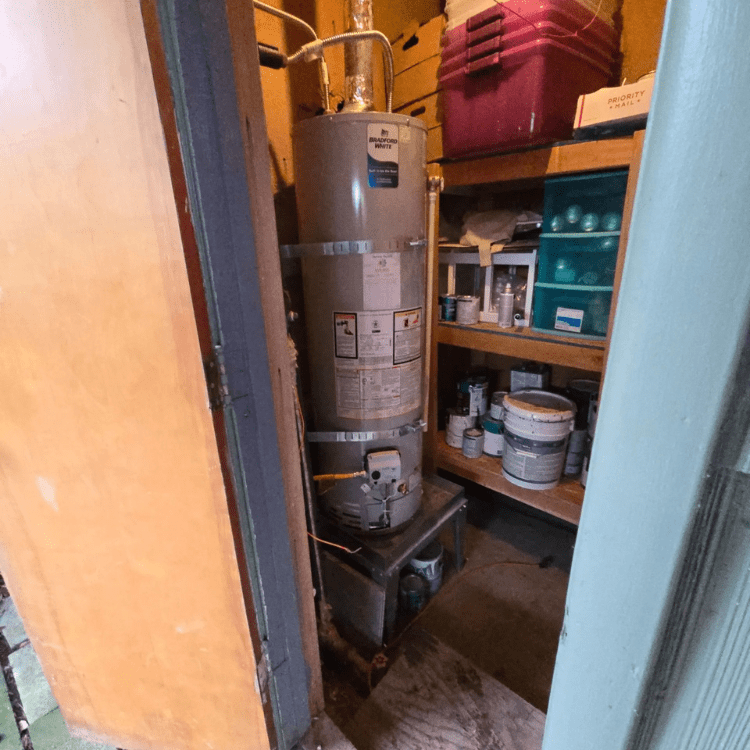
The first time the water went cold halfway through a shower, the Johnson family in Plano thought it was a fluke. The second time, it became a running joke. By the end of the month, arguments had broken out over who got to shower first and who had to wait for the water heater to “catch up.” When their energy bill arrived, the punchline wasn’t funny anymore. That was the moment they started asking a question many North Texas homeowners are wrestling with: Is it time to replace the old tank-style water heater with a tankless system?
Across Plano and the surrounding communities, homeowners are rethinking how they heat water. Traditional tank water heaters have been the default for decades, quietly heating and reheating 40–50 gallons of water whether anyone is using it or not. Tankless systems, on the other hand, promise hot water on demand, improved efficiency, and a smaller footprint. But they also come with higher upfront costs and different maintenance needs. Choosing between these options isn’t as simple as picking whatever is “new” or “popular” – it requires a closer look at how your household actually uses hot water.
Hajek Heating & Cooling works with families in Plano, TX every day who are weighing tankless water heaters vs. traditional tank units. Some are building new homes and want to make a smart long-term investment. Others are dealing with a leaky, aging tank and need to decide quickly what to put in its place. Understanding the tradeoffs in performance, cost, space, and longevity can help you make a decision that fits your home, your budget, and your expectations for comfort.
How Each System Heats Water
At a basic level, traditional and tankless water heaters do the same job: they raise the temperature of incoming cold water so your showers, sinks, and appliances get the hot water they need. The difference lies in how and when they do it. A traditional tank water heater stores a fixed amount of water, typically 40 to 50 gallons in many Plano homes, and keeps it hot around the clock. A burner or electric element cycles on and off to maintain a set temperature, whether anyone is using hot water or not.
Tankless water heaters take a different approach. Instead of storing water, they heat it as it flows through the unit. When you open a hot water tap, sensors detect the flow, the burner or heating elements fire up, and water passes over a heat exchanger, emerging from the unit hot and ready to use. When you close the tap, the burner shuts off. In other words, tankless units only work when you need hot water, rather than constantly maintaining a large volume at temperature.
This difference in operation has real-world consequences for energy use and comfort. A traditional tank can run out of hot water if several people shower back-to-back or if multiple appliances run at once. Once the stored hot water is depleted, you have to wait for the tank to reheat. A properly sized tankless system doesn’t “run out” in the same way; instead, it’s limited by how much hot water it can produce per minute. If demand exceeds its capacity, you may see a drop in temperature or flow, but not a complete loss of hot water. For busy Plano households with teenagers, home offices, and frequent laundry loads, that distinction can be significant.
Energy Efficiency And Monthly Costs
Because a traditional tank water heater is always working to keep its stored water hot, it naturally loses energy through what’s called standby heat loss. Even with good insulation, some of that heat escapes into the surrounding area – often a garage, attic, or utility closet in Plano homes. The burner or electric elements then have to cycle on again to reheat the water, whether or not anyone has turned on a faucet. Over time, that constant heating and reheating adds to your energy bill.
Tankless water heaters largely avoid standby losses because they don’t store heated water. They only consume energy when hot water is actually being used. For many households, this can translate into lower utility bills, especially if hot water use is intermittent throughout the day rather than continuous. The U.S. Department of Energy has found that, for homes that use less than about 40 gallons of hot water per day, tankless heaters can be significantly more efficient than traditional tanks. Even in larger households, efficiency gains are often noticeable when usage patterns are spread out.
However, the efficiency story is not the same for every home in Plano. If your family uses large amounts of hot water in concentrated bursts – for example, multiple showers, laundry, and dishwashing all at once in the evening – a tankless system has to work hard at high output. This can mitigate some of the efficiency advantages. Additionally, gas tankless units often require upgraded gas lines or venting, which doesn’t affect monthly bills directly but does impact the overall cost picture. The technicians at Hajek Heating & Cooling frequently evaluate how each specific home uses hot water before recommending one type of system over another.
Over the long term, many Plano homeowners who switch to tankless units do see lower monthly energy costs, especially when replacing an older, less efficient tank. Those savings accumulate over the lifespan of the system, which can be an important factor when comparing total cost of ownership rather than just upfront price tags.
Upfront Costs, Lifespan, And Payback
One of the biggest reasons homeowners hesitate about tankless water heaters is the initial investment. Traditional tank water heaters generally have a lower purchase price and simpler installation. If you are replacing a similar tank in the same location, the process can often be straightforward and relatively quick. For families in Plano facing an emergency replacement because their old tank is leaking, the lower cost and faster turnaround of a new tank can be very appealing.
Tankless systems, by comparison, typically cost more to purchase and may require additional work to install. Gas tankless units often need larger gas lines and specialized venting to handle higher BTU outputs. Electric tankless systems may demand electrical panel upgrades to support the increased load. These changes add to the upfront cost but are usually one-time investments. Hajek Heating & Cooling technicians will inspect your current setup and provide a clear picture of what, if any, upgrades are required before installation.
Where tankless water heaters often pull ahead is in longevity. A traditional tank water heater usually lasts about 8–12 years, depending on water quality, maintenance, and usage. The tank itself is the weak point; over time, sediment buildup and corrosion can lead to leaks. Tankless units, if properly maintained, commonly last 15–20 years or more. Many of their components are replaceable, which can extend service life further. This longer lifespan can help offset the higher installation cost when you consider how many tanks you might go through in the same period.
When Plano homeowners ask about payback, the answer is rarely one-size-fits-all. You have to weigh higher initial costs against potential energy savings, the value of a longer-lasting system, and the comfort benefits of on-demand hot water. For some households, especially those planning to stay in their home long-term, a tankless system can make financial sense over time. For others, a high-efficiency traditional tank might be the better balance of cost and performance. A professional assessment from a local expert familiar with Plano homes and utilities is the most reliable way to estimate your personal payback period.
Comfort, Convenience, And Everyday Use
Numbers and efficiency ratings matter, but most homeowners feel the difference between tankless and traditional options in their daily routines. With a traditional tank, your comfort is tied to the capacity of the tank. If you have a 40-gallon tank and three back-to-back showers, someone may end up with lukewarm water. Running the dishwasher and washing machine while someone showers can also push a tank to its limits. Many families adapt to this by staggering hot water use or upgrading to a larger tank, which takes more space and can cost more to operate.
Tankless water heaters shift the limitation from storage to flow. As long as the unit is sized correctly, it can provide a continuous stream of hot water. That means the fifth shower of the morning can be as hot as the first, assuming the total flow demand is within the unit’s capacity. However, if multiple fixtures and appliances call for hot water simultaneously – for example, two showers, a running washing machine, and a dishwasher – a single tankless unit might struggle to keep up, leading to temperature fluctuations. In some Plano homes, this is solved with a larger capacity unit or by installing more than one tankless heater.
Another comfort factor is wait time for hot water. Both traditional and tankless systems can be affected by the distance from the heater to the faucet. If the bathroom is far from the water heater, you may wait while cooled water in the pipes clears out. Tankless units do not instantly deliver hot water to distant fixtures; they only heat water as it passes through. Some homeowners pair tankless systems with recirculation pumps to reduce wait times at distant taps, a solution that can be particularly helpful in larger Plano homes or multi-story layouts.
Noise and placement also influence convenience. Traditional tanks are larger and often tucked away in garages, attics, or closets, taking up valuable space and adding weight in certain installations. Tankless units are more compact and can be wall-mounted, sometimes freeing up square footage for storage or other uses. They do produce sound when firing, but many homeowners find it no more disruptive than other mechanical equipment. In Plano’s hot summers, placing any water heater in a well-ventilated, appropriate location is important both for comfort and for system performance.
Maintenance, Repairs, And Local Water Conditions
Every water heater, regardless of type, needs some level of maintenance to perform well and last as long as possible. Traditional tank systems benefit from periodic flushing to remove sediment, checking the anode rod to reduce corrosion, and verifying that the temperature and pressure relief valve is functioning correctly. Many homeowners neglect these tasks, which is one reason some tanks fail earlier than expected. In Plano, where water hardness can contribute to scale and sediment, regular maintenance becomes even more important.
Tankless water heaters also require maintenance, but the focus is slightly different. Because they heat water so quickly over a compact heat exchanger, mineral buildup from hard water can accumulate faster in tankless units if not addressed. Regular descaling or flushing, often annually, helps preserve efficiency and prevent damage. Hajek Heating & Cooling technicians are familiar with the specific water conditions in Plano and can recommend a maintenance schedule that matches your system and usage patterns. In some cases, adding water treatment or softening can be beneficial for both tank and tankless systems.
When it comes to repairs, the nature of each system plays a role. Traditional tanks are relatively simple, and many of their problems are well understood: failed heating elements, faulty thermostats, leaking tanks, or issues with gas valves. Once a tank starts leaking, however, replacement is typically the only viable option. Tankless units are more complex electronically and mechanically, with flow sensors, circuit boards, and modulating burners. While this complexity allows for precise control and efficiency, it also means that professional diagnosis is essential when something goes wrong.
For Plano homeowners, having a local company that understands both technologies is a major advantage. Hajek Heating & Cooling can service and repair both traditional and tankless systems, advise on realistic maintenance needs, and help you balance long-term reliability with upfront and ongoing costs. Whether you choose a tank or tankless option, building a relationship with a trusted local provider ensures you are not alone when questions or issues arise.
Which Option Fits Plano Homes Best?
There is no universal winner in the tankless water heater vs. traditional tank debate; the better solution depends on your home, your family, and your priorities. In many Plano homes with moderate hot water use, a high-quality traditional tank remains a practical, cost-effective choice. It offers familiar operation, lower upfront costs, and straightforward replacement. For homeowners who may move within a few years or who have tight budgets, a well-chosen tank can be the most sensible approach.
On the other hand, if your household demands frequent, high-volume hot water – multiple showers, large tubs, or simultaneous appliance use – and you plan to stay in your home long-term, a tankless system can be very attractive. The ability to enjoy essentially endless hot water, combined with energy savings and a longer system lifespan, often appeals to growing families and those upgrading older properties in Plano. The compact size and flexible placement can also be a deciding factor in homes where space is at a premium.
Local climate and housing characteristics matter as well. Plano’s hot summers and mild winters influence where water heaters are installed and how they are vented. Attic installations, common in Texas, require careful consideration of safety, access, and potential leak damage. Whether you choose tank or tankless, proper installation by licensed professionals who understand North Texas building codes and typical construction practices is critical. That is where a local specialist like Hajek Heating & Cooling adds real value beyond simply selecting a brand or model.
If you are on the fence, one effective strategy is to schedule an in-home evaluation. A technician can review your current system, measure available gas or electrical capacity, discuss your hot water habits, and provide side-by-side cost and performance comparisons. From there, you can make an informed decision about whether to stay with a traditional tank, upgrade to a more efficient model, or make the leap to a tankless system that aligns with your long-term plans.
Frequently Asked Questions
Will a tankless water heater really give me endless hot water? A tankless system can provide continuous hot water as long as the demand stays within its rated flow capacity. In practical terms, that means you won’t “run out” like you can with a traditional tank, but you can overload the system if too many fixtures and appliances use hot water at the same time. Proper sizing is crucial; a unit that is matched to your home’s peak demand will allow multiple showers or a shower plus laundry without noticeable drops in temperature. During an in-home consultation, Hajek Heating & Cooling can calculate your peak usage and recommend an appropriate size for Plano households.
Are tankless water heaters always cheaper to run than traditional tanks? Tankless units are generally more efficient because they eliminate most standby heat losses, but that doesn’t guarantee lower bills in every situation. If your family uses large amounts of hot water in short, intense bursts, a tankless unit will work at high capacity, which can reduce relative savings. Additionally, if your old tank is very inefficient, almost any newer system – tank or tankless – may cut your energy use. The biggest savings are often seen in homes with moderate daily usage and older, less efficient tanks being replaced. A personalized estimate from a Plano-based professional is the best way to predict your actual operating costs.
Is the higher cost of a tankless system worth it? The value of a tankless system depends on how long you plan to stay in your home, how much hot water you use, and how much you prioritize comfort and space savings. Tankless heaters usually last longer than traditional tanks and can lower monthly utility bills, which helps offset the higher purchase and installation costs over time. For homeowners planning to stay in their Plano home for many years, the combination of longer lifespan, energy savings, and improved hot water availability often makes the investment worthwhile. For those expecting to move sooner or with tight upfront budgets, a high-efficiency tank may be the more practical choice.
Do tankless water heaters require more maintenance? Tankless systems do not necessarily require more maintenance, but their maintenance needs are different and sometimes more time-sensitive. Hard water, which is common in parts of North Texas, can cause scale buildup in the heat exchanger if not managed. Annual or biannual flushing and descaling is recommended to maintain efficiency and prevent damage. Traditional tanks also benefit from flushing and periodic checks, but many homeowners skip these steps until problems appear. With either system, scheduling regular maintenance with a company like Hajek Heating & Cooling helps ensure you get the full lifespan and performance you paid for.
Can I switch from a traditional tank to a tankless water heater easily? Switching is possible in most homes, but “easy” depends on your existing gas or electrical infrastructure, venting, and installation location. Many Plano homes can accommodate a tankless upgrade, but it may require gas line upsizing, new venting routes, or electrical panel improvements. These changes add to the project cost but are typically one-time upgrades that support the new system for many years. A professional assessment is essential to understand what is involved in your particular home. If you are considering a change, reviewing your options with a trusted local specialist and exploring resources like Tankless Water Heater vs. Traditional Options can help you plan the transition confidently.