
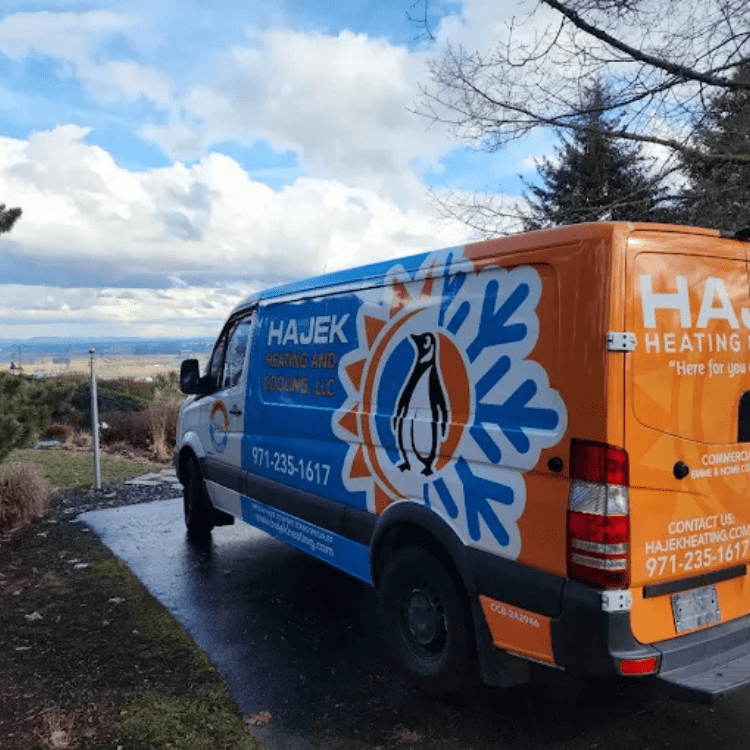
Most homeowners assume that HVAC installation is just a one-day swap: old unit out, new unit in, and you are done. In reality, a seamless HVAC installation is less about the single day of work and more about the weeks and decisions leading up to it. When the process is rushed or handled by guesswork instead of a clear set of steps, you can end up with hot and cold spots in the home, noisy equipment, higher utility bills, and a system that wears out years earlier than it should.
Another common misconception is that all HVAC systems and homes are basically the same, so the installation process is “standard.” Homes in Plano, TX, however, come in all ages, sizes, and construction styles. There are older homes with limited ductwork, newer builds with open floor plans, and everything in between. A seamless installation process must adapt to your home’s specific layout, insulation levels, and comfort goals. Companies like Hajek Heating & Cooling focus on a structured, step-by-step approach, so the final system is not just installed, but installed for performance, efficiency, and long-term reliability.
Clarifying Your Comfort Goals
The first step in a seamless HVAC installation process is not choosing equipment—it is clarifying what you actually want from your comfort system. Many Plano homeowners only say, “I want it cooler in summer,” but there are other important questions: Do you have rooms that never feel right? Are you planning to add on to the home? Do you have family members with allergies or asthma? By starting with these deeper conversations, Hajek Heating & Cooling can design a system that solves problems instead of repeating them.
Comfort goals also include preferences that affect the type and configuration of equipment. Some homeowners prioritize quiet operation because they work from home or have small children. Others want tight temperature control and are willing to invest in higher-end thermostats or variable-speed systems. Clarifying whether you care more about lowest upfront cost, lowest long-term operating cost, or a balance of both shapes every decision that follows. Without this clarity, you may end up with a unit that technically “works” but never quite feels right.
In Plano’s climate, it is also critical to consider humidity management as part of your comfort goals. Summers can be brutally hot and humid, and oversizing or undersizing your system affects how well it can remove moisture from the air. During the planning conversation, your technician should ask about condensation on windows, musty smells, or clammy rooms. These are all clues that your new system may need better airflow design, upgraded controls, or added indoor air quality components to deliver the comfort you actually want.
Thorough Home And Load Assessment
Once your goals are clear, the next step is a detailed assessment of your home. A seamless installation is anchored in accurate measurements and data, not guesses. Hajek Heating & Cooling technicians will evaluate square footage, number of windows, ceiling height, insulation levels, sun exposure, and existing ductwork. This is often referred to as a Manual J load calculation, and it is the foundation for choosing the right equipment size.
Skipping or shortcutting this step is one of the biggest mistakes in HVAC installation. An oversized system will short-cycle, turning on and off too frequently, which wastes energy, causes uneven temperatures, and increases wear on components. An undersized system will run constantly, struggle on the hottest Plano afternoons, and still leave parts of the home uncomfortable. A careful load calculation balances your home’s heat gain and loss so the selected system is properly matched to the real-world demands of your space.
During this assessment, your technician should also inspect your existing ductwork. Leaky, undersized, or poorly routed ducts are a silent killer of comfort and efficiency. You can install the best system on the market, but if the ducts cannot deliver air properly to each room, you will still have hot bedrooms, noisy vents, and high bills. A seamless process includes recommendations for duct sealing, resizing, or rerouting where needed, so the new system is not forced to work through old problems.
Selecting The Right System
With your goals defined and the home assessment completed, the next step is equipment selection. This is where many homeowners feel overwhelmed, because there are so many brands, models, and efficiency ratings. A structured process simplifies the choices. Your Hajek Heating & Cooling advisor will typically present a few options, clearly explaining the differences in efficiency (SEER2, EER, AFUE), features (single-stage vs. two-stage vs. variable-speed), and warranties.
For Plano, TX, where summer heat is intense and extended, the efficiency of the air conditioning side is especially important. Higher-efficiency units can significantly lower monthly utility bills, but they also cost more upfront. A seamless process includes a payback discussion: how long it will take energy savings to offset the higher initial cost. This allows you to make a confident, informed decision instead of guessing which unit is “worth it.”
Comfort features also matter. Variable-speed systems can adjust output to match the home’s needs more precisely, improving comfort and humidity control while reducing noise. Smart thermostats can learn your schedule and optimize settings automatically. Filtration and air purification options can help with Plano’s seasonal allergens and dust. Rather than pushing a one-size-fits-all package, your installer should guide you through which features truly benefit your home and which are optional luxuries.
Finally, system selection must consider compatibility with your existing infrastructure. Electrical capacity, line set sizes, refrigerant type, and space for the indoor and outdoor units all play a role. A professional, step-by-step process includes verifying these technical details before any equipment is ordered, avoiding costly surprises or last-minute changes on installation day.
Pre-Installation Planning And Scheduling
After choosing the system, many people think the next step is simply showing up and installing it. In reality, there is a crucial planning phase that separates a chaotic install from a smooth one. Hajek Heating & Cooling will coordinate delivery of equipment, confirm any needed permits, and schedule the installation for a time that works with your routine. Good planning also includes estimating how long the system will be offline, so you can prepare—especially important in hot Plano weather.
Pre-installation planning often involves staging materials and tools, confirming access points, and discussing any special concerns. For example, if the air handler or furnace is in the attic, technicians need clear access and safe working conditions. If you have pets, arrangements may be needed to keep them safe and calm during the work. Discussing these details in advance prevents delays, protects your property, and ensures the crew can work efficiently.
This is also the time to finalize any ductwork modifications or add-ons like new vents, returns, or zoning dampers. If you are considering upgrades such as whole-home air cleaners, UV lights, or enhanced filtration, integrating them into the plan now is far easier than trying to add them later. A seamless installation process is proactive: it anticipates what will be needed and builds it into a clear, step-by-step schedule.
Professional Installation Day Steps
On installation day, the process should feel organized, not chaotic. The crew will typically begin by protecting your home: laying down drop cloths, wearing shoe covers, and safeguarding walls, floors, and attic access points. Then the safe removal of your old system begins. Properly recovering refrigerant, disconnecting electrical lines, and removing old equipment without damaging surrounding structures are all part of a professional approach.
Once the old unit is out, the team prepares the space for the new system. This might involve adjusting the pad for the outdoor condenser, modifying plenums, or updating electrical connections to meet current codes. In some Plano homes, this is also the moment when duct improvements are implemented—sealing joints, adding returns, or resizing key runs to balance airflow. These behind-the-scenes details are critical to how the system will perform once it is up and running.
The new equipment is then set in place and connected. This includes refrigerant lines, drain lines, gas lines (for furnaces), and electrical connections. Technicians will braze line sets where needed, insulate them properly, and ensure that condensate drains are pitched correctly to prevent water damage. Thermostat wiring is checked or updated, and any additional components like zoning panels or air cleaners are integrated. Throughout this process, a quality-focused installer will be following manufacturer specifications and local codes, rather than improvising.
Before the system is powered on, a thorough review of all connections is performed. This includes checking torque on electrical lugs, verifying gas fittings for leaks, ensuring correct airflow direction through filters and coils, and confirming that all panels are properly sealed. Only after these checks does the crew begin startup and commissioning, which is another vital step often overlooked by less thorough installers.
Testing, Commissioning, And Homeowner Orientation
Commissioning is the process of verifying that the new system is operating exactly as designed. This goes far beyond “feeling cool air from a vent.” Technicians will measure refrigerant pressures, superheat and subcooling, supply and return air temperatures, and static pressure in the duct system. These readings confirm that the system is charged correctly, airflow is within specifications, and the equipment is not being stressed.
In Plano’s climate, proper refrigerant charge is especially important. An undercharged or overcharged system may still cool, but it will do so inefficiently and may shorten the compressor’s life. A seamless installation process includes fine-tuning these values and documenting them. This documentation can be invaluable for future maintenance and warranty support, as it provides a baseline of how the system performed when new.
Once performance is verified, the final step is homeowner orientation. This is where Hajek Heating & Cooling will walk you through how to use your new thermostat, how to change or clean filters, what normal operation sounds like, and what warning signs to watch for. They will explain recommended maintenance intervals, such as annual tune-ups, and how to keep outdoor units free from debris. This conversation turns a technical installation into a system you feel confident operating every day.
Before leaving, the crew should answer all your questions and ensure you know how to reach them if anything feels off in the first days or weeks. A seamless process does not end when the truck pulls away; it includes support, warranty registration, and clear next steps for ongoing care. For many homeowners, that includes enrolling in a maintenance plan to keep the new system running at its best.
Frequently Asked Questions
How long does a typical HVAC installation take in Plano, TX? Most standard residential HVAC installations can be completed in one full day, especially if the existing ductwork is in good condition and no major modifications are needed. However, more complex projects involving duct redesign, zoning, or relocating equipment may extend into a second day. A professional company like Hajek Heating & Cooling will provide a time estimate after assessing your home so you know exactly what to expect and can plan accordingly.
Do I really need a load calculation, or can I replace my system with the same size? Relying on the size of your old system is risky, because the original unit may have been oversized or undersized, and your home may have changed over time (new windows, insulation, or additions). A proper load calculation accounts for your current conditions and ensures the new system is matched to your actual needs. This step is essential for comfort, efficiency, and equipment longevity, and is a standard part of a seamless installation process.
Will my ducts need to be replaced during installation? Not always, but they should always be evaluated. Some duct systems in Plano homes are in good shape and only need minor sealing or adjustments. Others may be undersized, leaky, or poorly routed, which can significantly reduce the performance of a new HVAC system. During the assessment, your technician will explain what they find and recommend whether sealing, modifying, or replacing certain sections is necessary to get the most from your new equipment.
What can I do to prepare my home for installation day? You can help the process go smoothly by clearing access to indoor and outdoor units, moving fragile items away from work areas, and ensuring pets are secure. If your system is in the attic, make sure the access hatch is reachable and that personal items are moved away from the work zone. It is also helpful to confirm power outlets are available for tools and to discuss parking and entry preferences with the installation team ahead of time.
How do I keep my new system running efficiently after installation? Ongoing care is the final step in a truly seamless process. Change or clean filters on the schedule recommended by your installer, keep outdoor units free of leaves and debris, and avoid blocking supply or return vents with furniture. Scheduling regular professional maintenance, typically once or twice a year, allows technicians to catch small issues early, keep refrigerant levels and airflow within spec, and maintain your warranty coverage. Partnering with a company like Hajek Heating & Cooling for routine service ensures your system continues to deliver the comfort and efficiency it was designed for. To learn more about the full process, visit Steps for Seamless HVAC Installation Process.