
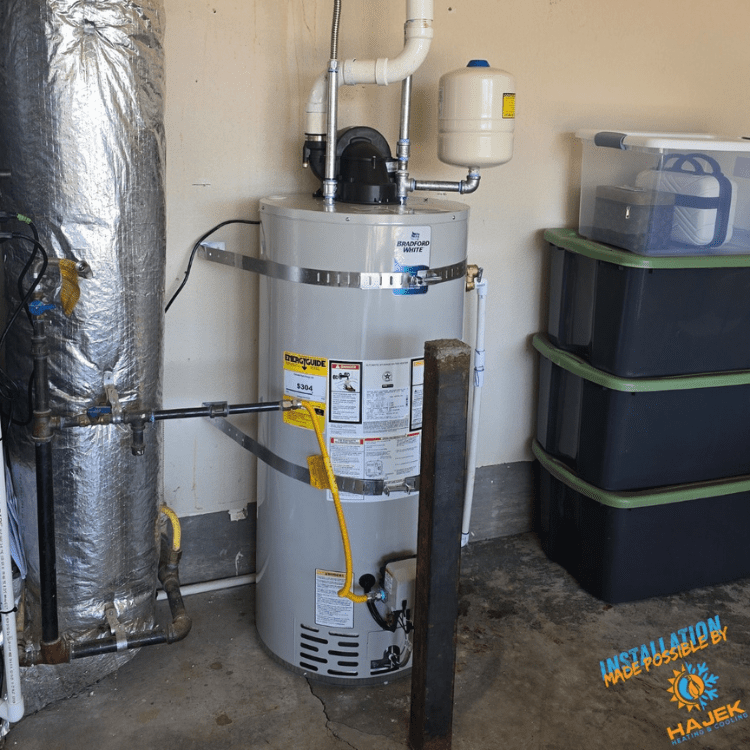
Few home upgrades affect everyday comfort as dramatically as a properly installed, efficient water heater. From hot showers on cold Plano mornings to running dishwashers and washing machines, your water heater quietly supports nearly every routine in your home. When it is installed correctly and sized properly, you enjoy reliable hot water, lower utility bills, and fewer surprise breakdowns. When it is installed poorly, you can end up with lukewarm water, unexpected leaks, safety hazards, and monthly energy costs that slowly drain your budget.
This is why an efficient water heater installation is about much more than just swapping out an old tank. It involves careful planning, precise sizing, thoughtful placement, and attention to local codes and safety standards. For homeowners in Plano, TX, where hot summers can strain plumbing systems and many homes have gas infrastructure, the details of installation matter even more. Hajek Heating & Cooling understands that a water heater is a long-term investment, and the way it is installed will shape your comfort and energy costs for the next decade or more.
Whether you are replacing a failing unit or planning ahead to upgrade to a more efficient system, knowing what goes into an efficient installation helps you ask better questions, avoid shortcuts, and choose a contractor who will do the job right the first time. This guide walks through the key decisions, technical details, and best practices that turn a basic water heater install into a smart, efficient upgrade for your Plano home.
Understanding Your Household’s Hot Water Needs
The starting point for an efficient water heater installation is not the brand or fuel type; it is an honest look at how your household uses hot water. Every home in Plano is different. A retired couple with modest usage has very different needs from a family of five with teenagers who love long showers and run back-to-back laundry loads. Installing a unit that is too small leads to constant shortages and overworked equipment. Oversizing wastes energy and money, both up front and over the life of the system.
Professionals like Hajek Heating & Cooling begin by estimating your household’s peak hour demand. This means looking at the heaviest one-hour window of hot water use in your home. For example, if two showers, the dishwasher, and a load of laundry often run between 7 and 8 a.m., your system must be able to keep up with that combined demand. Each fixture has a typical gallons-per-minute (GPM) rating, and these numbers help determine the right tank size or tankless capacity.
Beyond peak demand, lifestyle matters. Do you frequently host guests or have relatives stay over for holidays? Do you have a large soaking tub that needs a significant volume of hot water at once? Are you planning to add another bathroom or renovate your kitchen soon? These questions shape not only the size of your water heater but also whether a traditional tank or a tankless system is the better long-term choice for your Plano home.
Climate also plays a role. In North Texas, incoming groundwater temperature is generally warmer than in northern states, which can improve the efficiency of both tank and tankless units. However, long stretches of high outdoor temperatures can impact where the equipment should be placed and how it is vented. An experienced installer considers these regional factors when recommending the ideal system for your home.
Choosing The Right Type Of Water Heater
Once your hot water needs are clear, the next major decision is choosing the type of water heater. The three most common options for Plano homeowners are traditional gas or electric tank units, tankless (on-demand) water heaters, and hybrid heat pump water heaters. Each comes with distinct advantages, installation requirements, and efficiency levels that influence the total cost of ownership.
Traditional tank water heaters store a set amount of hot water, typically between 40 and 75 gallons for most homes. They are often the most affordable to purchase and install, which is why they remain so popular. Gas models usually heat water faster and are often more cost-effective to operate than standard electric tanks in areas where natural gas is available. However, tanks continuously maintain water at a set temperature, which means standby heat loss and potentially higher energy bills over time.
Tankless water heaters heat water only when a faucet or appliance calls for it. This on-demand approach can significantly reduce energy consumption because there is no stored hot water slowly losing heat throughout the day. Tankless units are compact and can free up space in your garage or utility area. They do, however, require careful sizing to ensure they can handle simultaneous demands, and the installation may involve upgrading gas lines, venting, or electrical capacity. For many Plano homeowners who want long-term energy savings and virtually endless hot water, a properly installed tankless system is a smart upgrade.
Hybrid heat pump water heaters use electricity but work more like a refrigerator in reverse, pulling heat from the surrounding air to warm the water. They can be extremely efficient, but they need sufficient space and a suitable ambient temperature range to operate effectively. In a Plano garage or interior utility room, they can perform well, but they are not ideal for every layout. An experienced installer from Hajek Heating & Cooling will walk you through these options, explaining not just the sticker price but also the expected operating costs, maintenance needs, and any necessary modifications to your home.
Critical Installation Considerations For Efficiency
Even the best water heater will underperform if it is installed without attention to detail. Efficient water heater installation hinges on a series of technical decisions that affect safety, performance, and longevity. One of the first is proper placement. The unit should be located where it is accessible for maintenance, protected from flood risk, and as close as practical to the points of use to reduce heat loss and wait times for hot water. In many Plano homes, this means strategic placement in a garage, attic, or utility closet, each with its own code requirements.
For gas water heaters, venting is a critical part of an efficient and safe installation. Exhaust gases must be properly vented to the outside to prevent carbon monoxide buildup. The vent size, type (metal, PVC, etc.), and routing must match the manufacturer’s specifications and local building codes. Incorrect venting not only reduces efficiency but can also be dangerous. Hajek Heating & Cooling technicians carefully measure and configure vent runs to ensure optimal draft and compliance with Plano and Texas regulations.
Water piping and connections also influence efficiency. Using appropriately sized supply lines helps maintain consistent pressure and flow. Adding dielectric unions where dissimilar metals meet reduces corrosion, extending the life of both the heater and the pipes. Insulating hot water lines, especially those that run through unconditioned spaces like garages or attics, minimizes heat loss so your water arrives hotter and faster at the tap. These small details add up to noticeable savings on your monthly utility bills.
Finally, safety components such as the temperature and pressure relief (T&P) valve and expansion tank must be correctly installed. The T&P valve is a critical safety device that prevents dangerous overpressure in the tank. It needs a properly sized discharge line that terminates in an appropriate location. An expansion tank helps manage pressure changes in closed plumbing systems, protecting both the water heater and your home’s piping. Skipping or mishandling these components may save a few minutes during installation but can lead to costly and dangerous problems later.
Energy Efficiency Upgrades And Smart Features
Modern water heaters and installation practices offer a range of efficiency enhancements that go beyond the basic setup. One of the simplest yet most effective upgrades is adding a high-quality insulation blanket to older tanks that lack sufficient factory insulation. While many newer models are already well-insulated, wrapping an older unit can reduce standby heat loss and keep water hotter for longer, particularly helpful in unconditioned spaces common in Plano homes.
Another important consideration is the thermostat setting. Many water heaters ship with a default temperature setting higher than what most households actually need. Setting the thermostat around 120°F provides comfortable hot water for most uses while minimizing scald risk and reducing energy consumption. A professional installer will verify and adjust this setting during installation and explain how to make future adjustments safely if needed.
Smart controls are becoming increasingly popular. Some water heaters now offer Wi-Fi connectivity, allowing you to monitor energy use, adjust temperature, and receive maintenance alerts from your smartphone. For busy households in Plano, smart scheduling can be especially useful, letting you reduce temperatures when you are away for extended periods and ramp them up again before you return. These features help you fine-tune your energy use without sacrificing comfort.
In addition, installing automatic shutoff valves and leak detection sensors can protect your home from water damage. These devices can detect unusual water flow or moisture and automatically shut off the water supply to the heater. Considering how many water heaters are located over finished spaces or near valuable belongings, this added protection can save thousands of dollars in repairs and insurance claims. When Hajek Heating & Cooling installs a new system, they can integrate these smart safety features as part of a comprehensive, efficient solution.
Local Codes, Permits, And Professional Expertise
Efficient water heater installation is also about doing things legally and safely. In Plano, TX, water heater replacement and installation typically require permits and inspections. These regulations are not just bureaucratic hurdles; they exist to ensure that gas lines are properly sized and leak-free, venting is adequate, electrical connections meet code, and safety devices are correctly installed. Skipping permits or using unlicensed installers can lead to failed inspections, fines, or even denial of insurance claims if something goes wrong.
Professional installers like Hajek Heating & Cooling stay current with local building codes, manufacturer specifications, and best practices for different types of water heaters. They know, for example, when a seismic strap is required, how much combustion air a gas unit needs in a specific location, and what type of drain pan and drain line are necessary to protect your home from leaks. This expertise translates into a safer installation that also performs better over time.
There is also the matter of warranty coverage. Many manufacturers require professional installation by a licensed contractor to keep the warranty valid. If a DIY or unqualified installation leads to a failure, you may discover that the warranty has been voided. By working with a reputable local company, you protect your investment and gain access to support if any issues arise with the equipment in the future.
Finally, a professional installation includes testing and verification. After the new water heater is installed, a qualified technician will check for gas leaks, verify proper venting and draft, confirm correct water pressure, test the T&P valve, and ensure that hot water is reaching all fixtures as expected. This commissioning process is the last, crucial step in an efficient installation, confirming that all components are working together safely and effectively.
Long-Term Maintenance For Lasting Efficiency
Efficiency is not a one-time achievement at installation; it is something you preserve through regular maintenance. Sediment buildup is a common efficiency killer, especially in areas with hard water like much of North Texas. Over time, minerals settle at the bottom of tank-style water heaters, creating an insulating layer between the burner and the water. This forces the heater to work harder and can lead to rumbling noises and premature wear. Flushing the tank annually helps remove sediment and restore efficient heat transfer.
Anode rods are another critical but often overlooked component. These sacrificial rods attract corrosive elements in the water, protecting the steel tank from rusting. Once the anode rod is consumed, the tank itself begins to corrode. Checking and replacing the anode rod every few years can dramatically extend the life of your water heater and maintain efficiency by keeping the tank in good condition. Plano homeowners who schedule routine service with Hajek Heating & Cooling can have these checks handled as part of a regular maintenance plan.
For tankless water heaters, descaling is essential. Mineral deposits can clog small internal passages, reducing flow and heat transfer efficiency. Regular descaling, especially in hard water areas, keeps the system running smoothly and ensures that it continues to deliver on its promise of energy savings and endless hot water. The manufacturer’s maintenance schedule provides specific guidance, and a professional technician can perform the service safely and thoroughly.
Even simple tasks like periodically checking for leaks, inspecting the venting, and confirming the thermostat setting help maintain efficiency and catch minor issues before they become major problems. By treating your water heater as a critical piece of home infrastructure rather than a “set it and forget it” appliance, you protect your investment and keep your monthly bills in check.
Frequently Asked Questions
How long should a professionally installed water heater last? With proper installation and regular maintenance, most traditional tank water heaters last around 8 to 12 years, while tankless units can often exceed 15 to 20 years. Factors such as water quality, usage patterns, and whether the unit is flushed and serviced regularly all impact lifespan. A careful installation by a company like Hajek Heating & Cooling helps ensure the heater starts its life in the best possible condition, maximizing its potential longevity.
Is it worth upgrading to a tankless water heater in Plano, TX? For many Plano homeowners, upgrading to a tankless water heater is worth the investment, especially if you plan to stay in your home for several years. Tankless systems offer higher efficiency, virtually unlimited hot water, and a smaller footprint. However, they often require more involved installation work, such as larger gas lines or upgraded venting, which should be evaluated by a professional. An in-home assessment can help determine if a tankless system is the best fit for your plumbing layout, usage habits, and budget.
Can I install a new water heater myself to save money? While it may be tempting to attempt a DIY installation, water heaters involve gas lines, high-voltage electricity, combustion air, venting, and pressurized water systems. Mistakes can lead to gas leaks, carbon monoxide issues, water damage, or code violations. In Plano, permits and inspections are typically required, and many manufacturers require professional installation to honor the warranty. Hiring a licensed installer like Hajek Heating & Cooling protects your home, your safety, and your investment.
How do I know what size water heater I need? Sizing depends on your household’s peak hot water demand, the number of bathrooms, the types of fixtures and appliances you use, and your family’s routines. For tank units, this is usually expressed as a capacity in gallons and a first-hour rating. For tankless systems, it is expressed as flow rate in gallons per minute at a given temperature rise. A professional will ask detailed questions about your home and usage, then calculate the appropriate size to ensure you have enough hot water without overspending on capacity you do not need.
What should I look for in a water heater installation company? Look for a company that is licensed, insured, and experienced with both traditional and modern water heater technologies. They should be familiar with Plano and Texas codes, willing to obtain necessary permits, and comfortable explaining your options in clear terms. Ask about warranties on both equipment and labor, and whether they offer ongoing maintenance services. A trusted local provider like Hajek Heating & Cooling can guide you through product selection, handle the installation, and support you for the life of the system. For more information, you can explore their Guide to Efficient Water Heater Installation and related services.